





The Best Side Fat Workout | Crunch Fitness
November 6, 2026


What if the best side fat workout uses a few exercises you usually skip on your way to the ab mat?
You already have your crunches, your favorite playlist, and maybe a plank that seems to last forever. Still, your routine might be missing some helpful moves. Before you add more twists to your routine, let’s look at which exercises are worth including.
In this article, we’ll cover what makes a good workout routine, what your usual ab exercises might miss, and five helpful moves, like Pallof presses and suitcase carries. We’ll also discuss how often to train, common mistakes, and Crunch classes that focus on your core.
Wondering what your next gym session could include? Keep reading to find new ideas for your core routine this week.
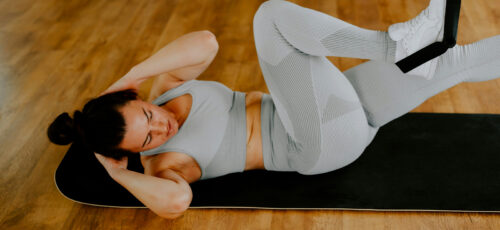
A good side fat workout combines core exercises with full-body strength training, cardio, and healthy eating habits. Oblique exercises strengthen your side muscles, but they can’t control where your body loses fat. Extra crunches won’t shrink your waistline on command.
Imagine someone at the gym working hard on their sides. They do lots of twists, feel the burn, and hope the fat is going away. But that burning feeling just means your muscles are working, not that fat is leaving that area.
A better plan gives your core different tasks. Side planks build balance, anti-rotation exercises teach your body to resist twisting, and suitcase carries help you control movement while carrying weight on one side. These moves add variety and purpose to your core workout.
Think of side fat exercises as just one piece of your plan. Begin with a weight you can handle, focus on good form, and slowly make things harder as you get stronger.
Your usual ab routine might miss resisting unwanted movement, staying upright under load, and controlling each rep. Crunches are useful, but these skills are important too.
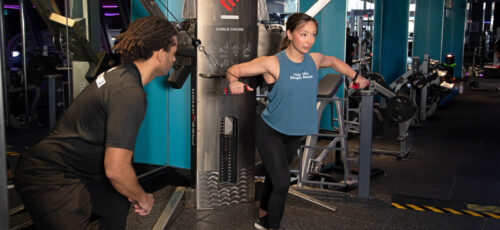
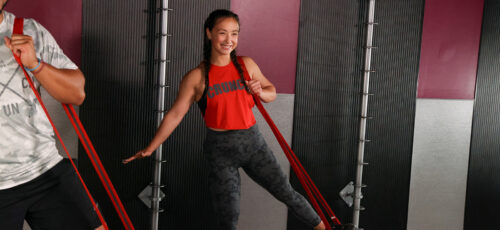
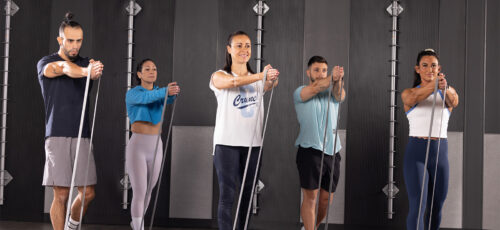
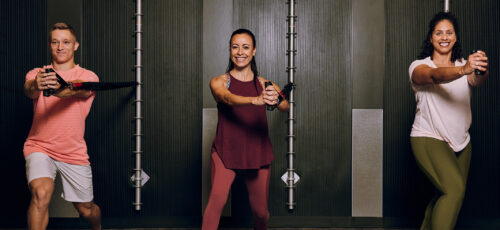
Resisting rotation means keeping your torso steady when something tries to twist it. For example, in a Pallof press, you press a cable handle forward while the cable pulls to the side. Your arms move, but your body stays still. Crunch’s core stability guide covers this important part of core training.
If you’ve ever carried a heavy grocery bag in one hand and felt yourself lean, that’s your core working to keep you upright. Suitcase carries use this idea in the gym: walk with a weight on one side and keep your body straight.
A 2024 study on loaded carriers says this type of training “activates core musculature across multiple movement planes while the body is in locomotion.” Simply put, your core muscles work as you move with the weight. Staying upright is part of the exercise, not just something you do between sets.
Movement control is about deciding where you move, not letting momentum take over. In a cable chop, move the handle smoothly and control it as it comes back. Don’t let the weight pull you. If you’re new, try Crunch’s beginner core exercises. Focus on steady breathing, the right amount of weight, and reps you can do with good form.
Here are exercises to build side core strength and add variety to your ab routine. These moves challenge your obliques in different ways, beyond twists and crunches.
The Pallof press might look like an arm exercise, but your core is working hard. When you press the handle forward, your obliques keep you steady against the cable’s pull. The challenge is to stay still, not to twist.
How To Do It
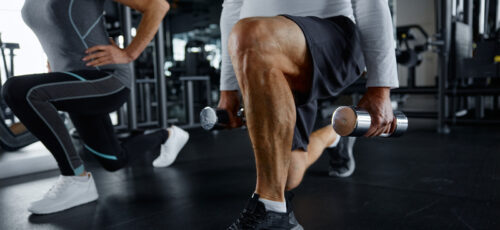
Carrying a weight on one side is like carrying a suitcase through the airport, but without rushing. This move challenges your core to keep you upright as you walk. Pick a weight that lets you walk without leaning or shrugging.
How To Do It
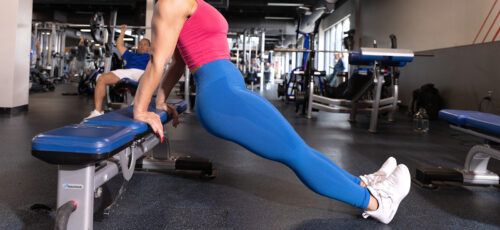
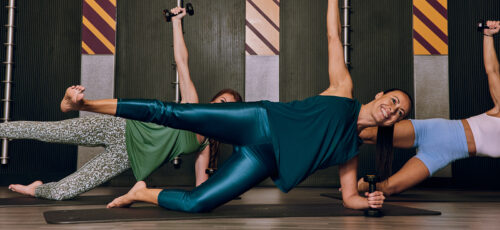
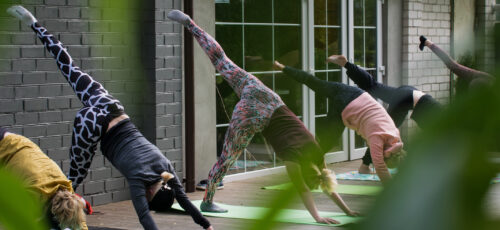
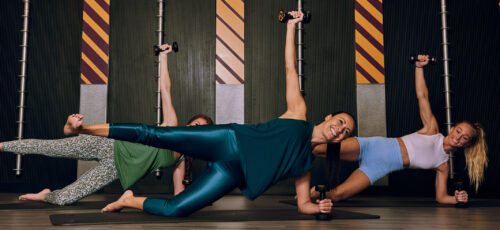
The side plank doesn’t need twisting or equipment, but it can still feel tough. This exercise works the muscles along your side to keep your body steady. If the full version is too hard, start with your knees bent.
How To Do It
Give your core a diagonal challenge without auditioning for a lumberjack competition. From a half-kneeling position, guide the cable across your body while controlling your trunk and pelvis. Keep the movement smooth rather than forcing a big twist.
How To Do It
The single-arm farmer hold is like the suitcase carry, but you stay in one place. Hold a weight at your side and resist its pull. This is a good choice if you don’t have much space to walk, and it shows how hard it is to stand still.
How To Do It
Training your obliques two or three times a week is a good place to start. Make sure to have at least one full rest day between hard sessions. Adjust your schedule based on your experience, workout intensity, and recovery.
If you’re a beginner, try two sessions: do Pallof presses and side planks on Monday, then suitcase carries and cable chops on Thursday. Your core also works during other strength exercises, so doing more isn’t always better.
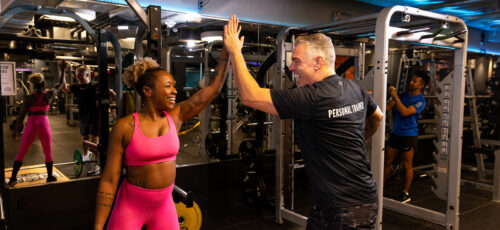
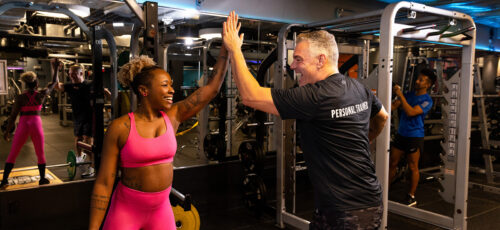
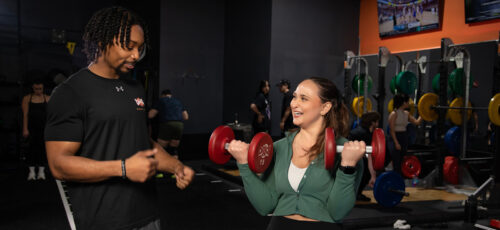
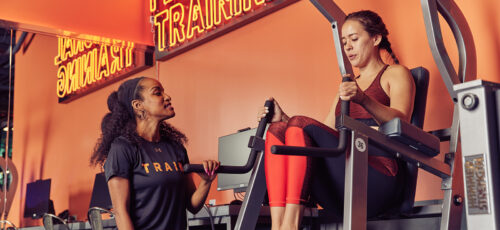
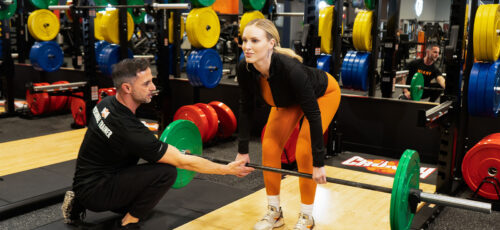
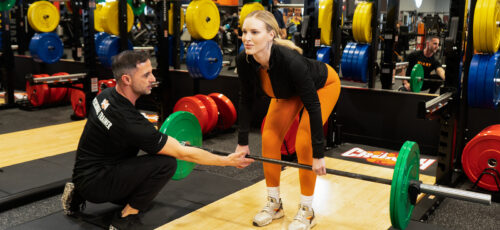
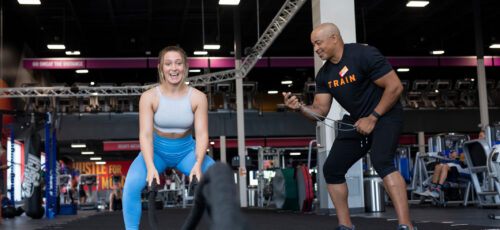
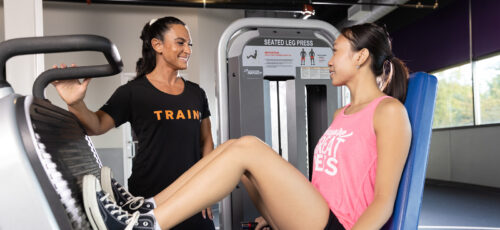
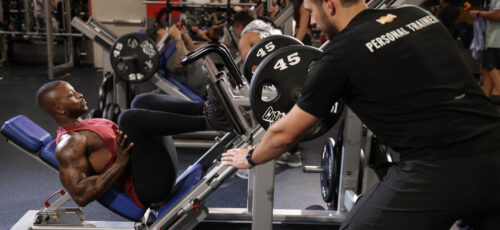
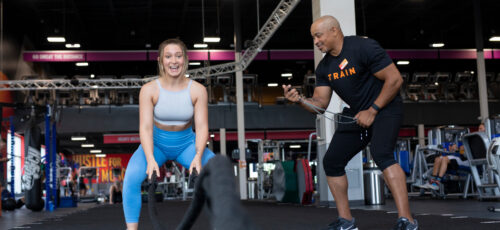
If you’re not sure how to plan your workouts, meeting with a personal trainer can help you balance coached sessions with workouts you do on your own. Personal trainers can provide a plan and help you improve your technique.
When hiring a personal trainer, look for someone who understands your goals and adjusts your workload as you progress. Keep repetitions controlled, increase difficulty gradually, and allow recovery when soreness or fatigue affects your form.
Doing reps too quickly, using too much weight, or skipping recovery can reduce your core workout’s effectiveness.
Before you add more exercises, see if any of these habits are showing up in your routine:
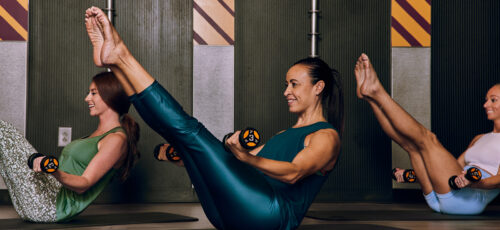
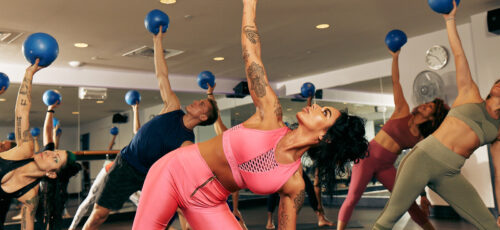
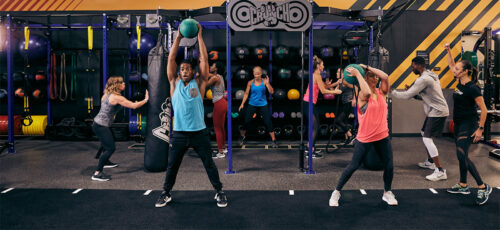
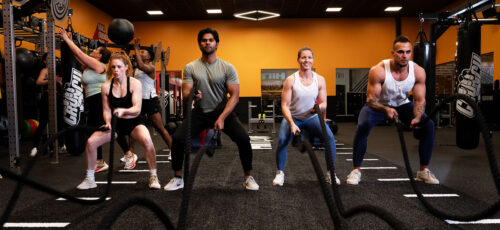
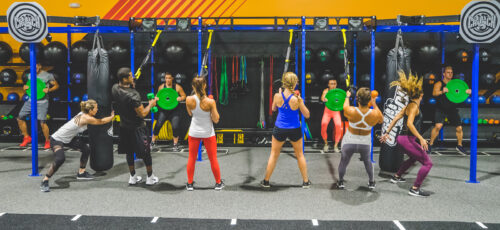
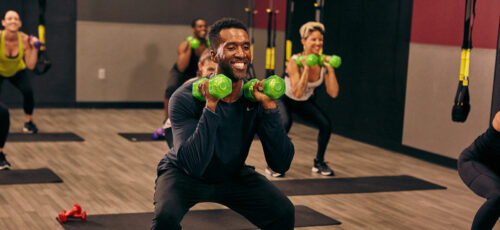
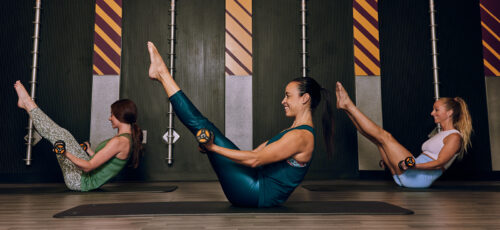
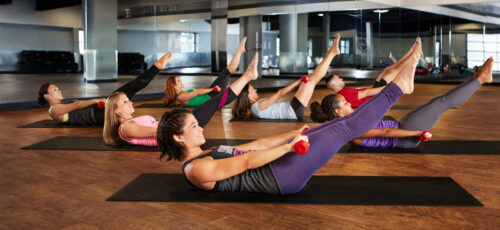
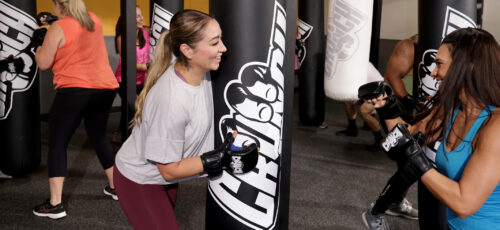
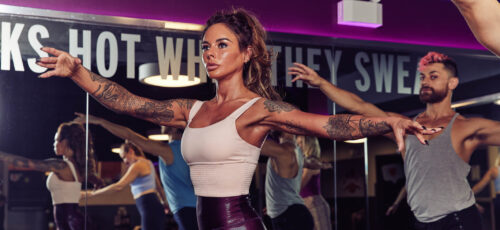
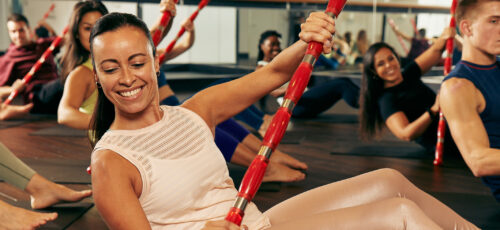
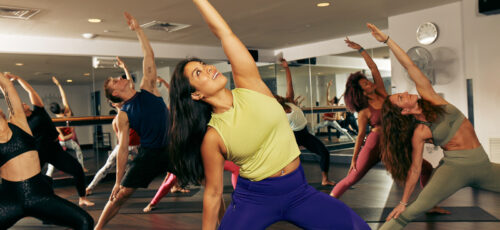
Looking for company during your core workout? Crunch offers ab classes and full-body workouts that challenge your core. Check your local club’s schedule to see what’s available.
Building real core strength takes more than a few crunches at the end of your workout. At Crunch Fitness, we help you train your core with good programs, coaching, and equipment, so you can move better, lift more, and stay safe.
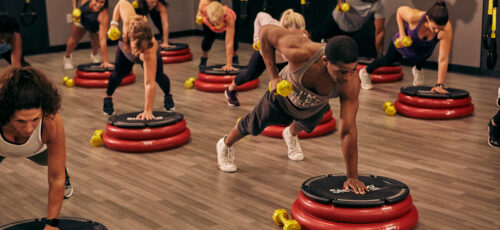
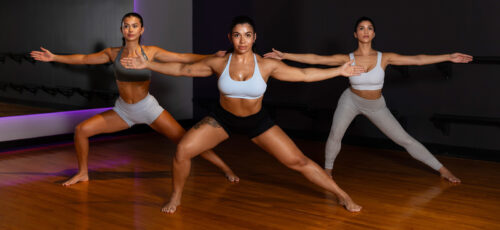
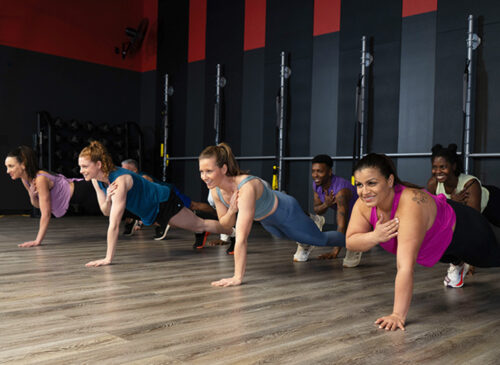
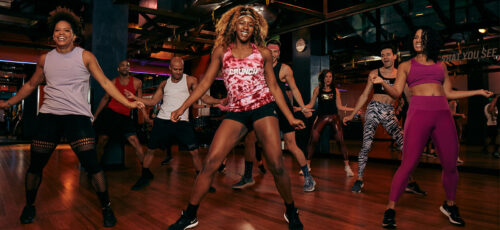
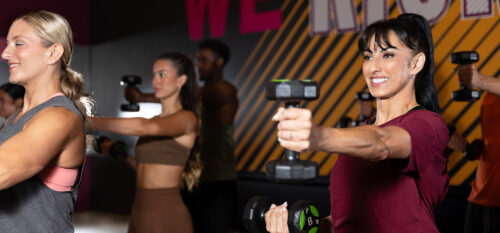
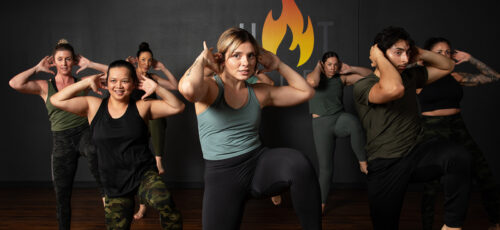
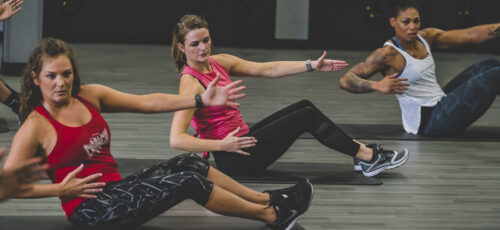
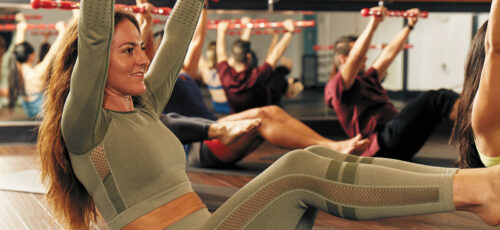
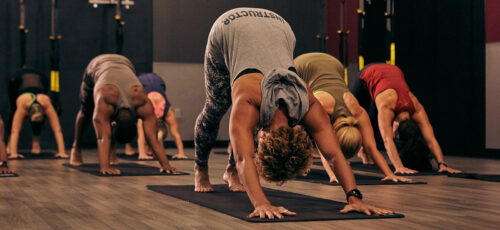
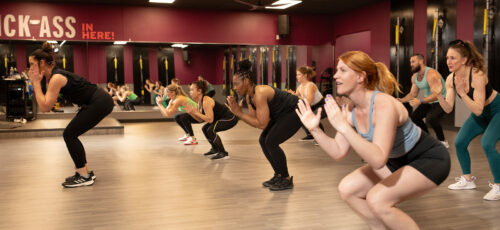
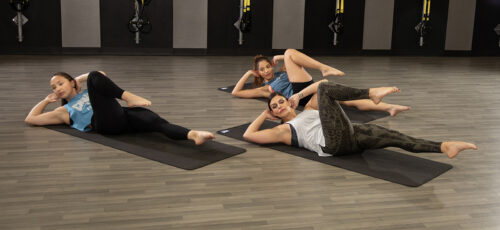
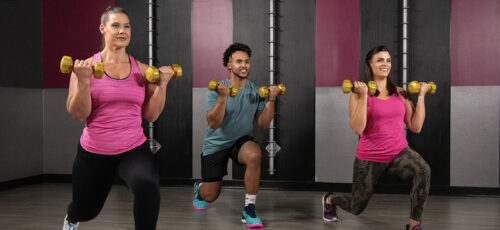
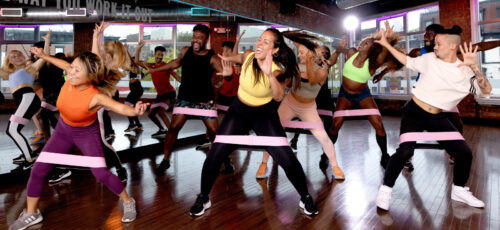
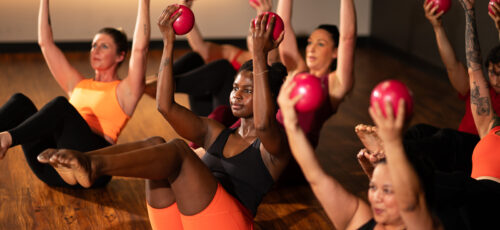
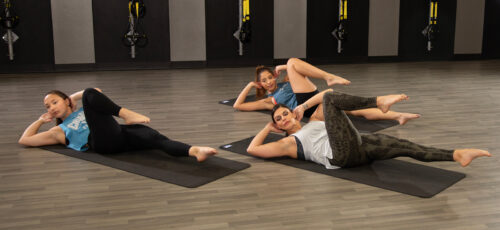
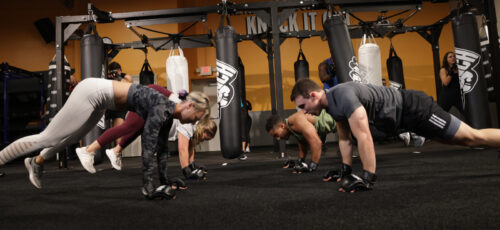
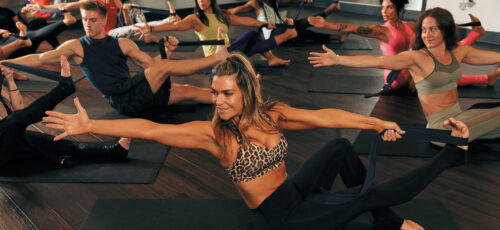
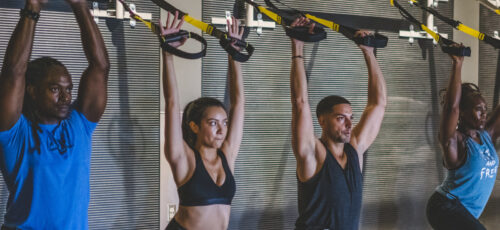
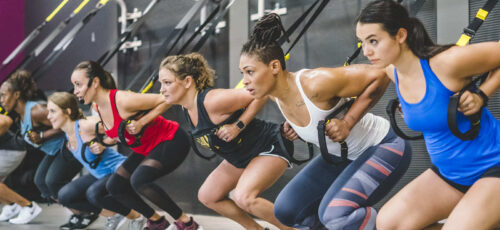
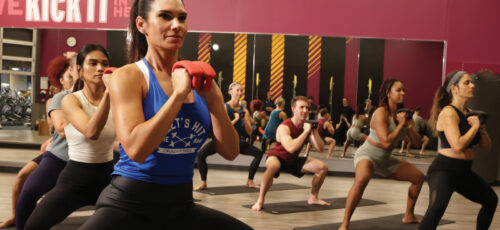
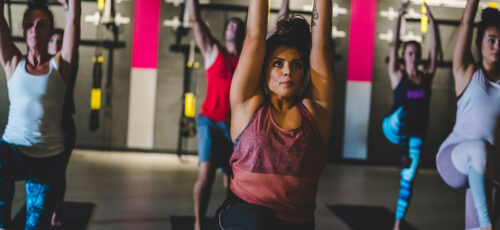
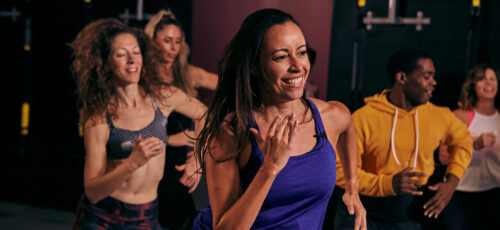
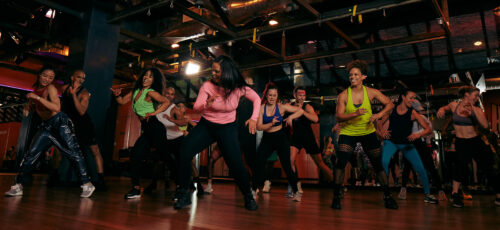
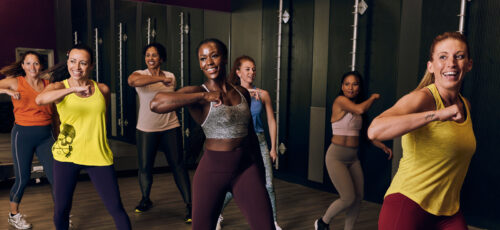
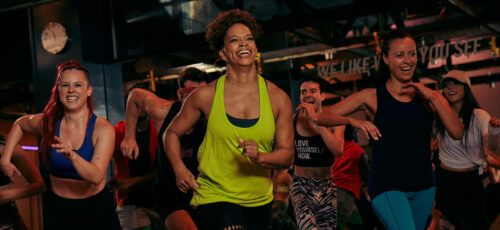
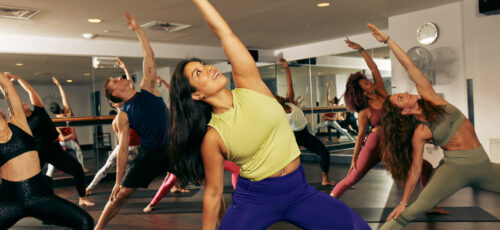
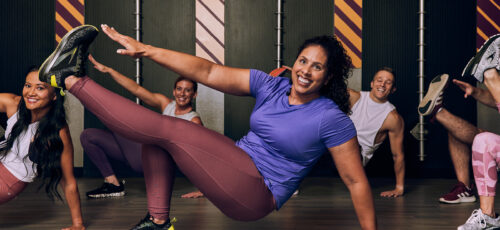
If you like energy and accountability, group fitness classes are a great way to build core strength. Many classes include planks, rotation, resistance training, and stability work for your abs and lower back.
Whether you’re doing strength circuits or high-intensity intervals, your core is working the whole time. Group classes are organized, motivating, and more fun than doing sit-ups alone.
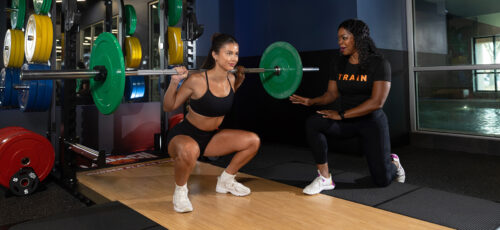
Not sure where to start? A personal trainer can assess your movement and posture and teach you how to exercise properly. With expert guidance, you can build strength safely and make steady progress.
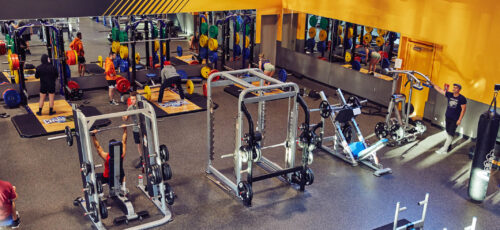
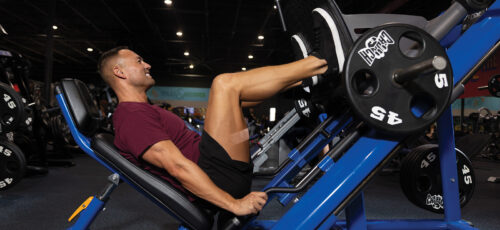
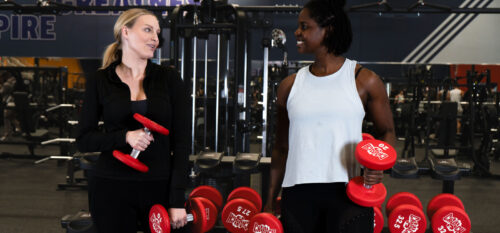
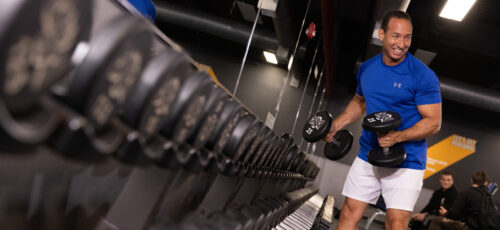
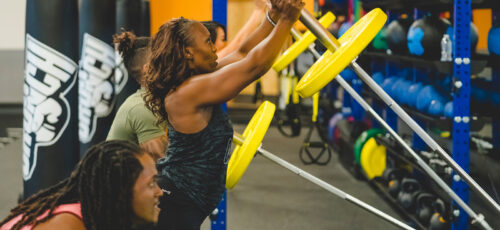
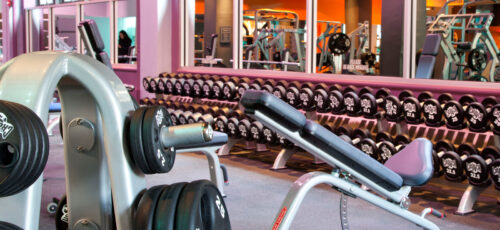
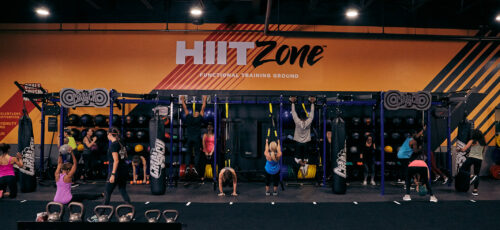
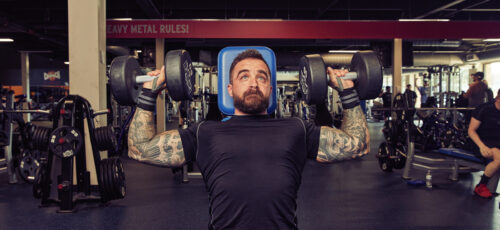
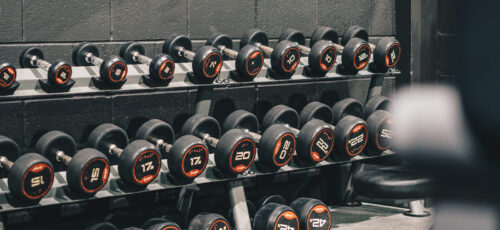
Crunch has everything from dumbbells and cable stations to turf areas, so you have the tools to train your core with real movement. This helps you work out smarter and get better results.
Crunch promotes a culture of positivity, inclusivity, and fun with no judgments by providing an environment for all individuals regardless of their health and fitness goals. Find a Crunch gym near you to try our free trial membership, or join Crunch now. We’re here for you – at the gym or at home. Access the best live & on-demand workouts anytime, anywhere with Crunch+. Ready to get sweaty? Try hundreds of workouts for free! Start your free trial now!
Side fat workouts strengthen your waist muscles, but they won’t burn fat only in that area. To lose fat around your waist, focus on healthy eating and overall activity.
Crunches don’t work your obliques in every way. Try adding side planks, Pallof presses, and suitcase carries to build sideways strength, prevent twisting, and improve control.
Start with two or three core workouts each week, and take at least one full rest day between hard sessions. Adjust your frequency based on how you feel and what other exercises you do.
There isn’t one best choice. Cables and dumbbells both work your obliques differently. Use cables for Pallof presses and controlled chops, and try dumbbells for suitcase carries and single-arm holds.
Yes, 15 minutes can be enough for an effective core workout if you choose appropriate exercises and focus on controlled movement. Focus on each rep with control and improve over time, instead of trying to fit in too many moves.
If building core strength matters most to you, do your side fat workout before cardio. If you care more about endurance, do it after. Start with a short, easy cardio warm-up either way. Don’t do hard core exercises when you’re too tired to keep good form.