









Getting A Personal Trainer: Cost vs. Benefit | Crunch Fitness
June 5, 2026
Hiring a personal trainer is a big decision, and the prices you find online often don’t show the whole picture. Costs can change a lot based on the trainer’s experience, where you live, their certifications, the services they offer, and whether you train at a gym, a private studio, or online.
Things like how long your sessions are, the type of training, and your membership plan can also affect the price. That’s why two people might pay very different amounts for what looks like the same personal training.
What’s more important than just the session price is the value you get. A certified personal trainer should offer more than a workout. They give you a structured program, a fitness plan made for you, and ongoing support that matches your goals.
This might include movement screening, fitness assessments, tracking your progress, nutrition advice, and ways to help prevent injuries. Whether you choose an independent trainer, group or semi-private sessions, or online and hybrid coaching, the right fit should support your fitness journey, keep you motivated, and help you build healthy habits for the long run.
Personal training can include strength coaching, performance training, mobility work, or tracking your body composition. What you get depends on your needs and the trainer’s skills. The main thing is to know what you’re paying for and if it’s helping you reach your goals.
This article explains average personal training prices, what’s included in different packages, and how to decide if your investment is worth it.
Let’s get started!
Most people pay between $50 and $100 or more for each personal training session, but prices can be higher if the trainer is very experienced or works in a special setting. For monthly packages, you might pay anywhere from $300 to over $1,000, depending on how many sessions you have, how long they are, and what kind of support you get.
Personal training prices can be very different. Trainers with advanced certifications, such as NASM, NSCA, or ACSM, who work in private studios or offer special services like injury prevention, mobility, or nutrition coaching, often charge more than trainers who work in gyms.
In big cities like Boston or Denver, sessions usually cost more because of higher demand and living costs. In the suburbs, prices are often more flexible. Independent trainers and those offering online or hybrid coaching may also set their prices differently depending on their services.
It’s important to know what’s included in your training. Some trainers offer a full fitness plan, track your progress, do movement screenings, and give ongoing support.
Other trainers might only include the session itself without extras like a gym membership, access to the facility, or support between sessions. Extras like online training, nutrition advice, or check-ins for accountability can also change the price.
A lower price doesn’t always mean less value, and paying more doesn’t always mean better results. The best trainer and plan for you should fit your goals, lifestyle, and motivation, so you can stay on track and see real progress.

Working with a personal trainer is more than just attending sessions. It’s about having the right structure, support, and coaching to help you reach your fitness goals with confidence.
Here’s what you really get when you invest in personal training.
A personal trainer creates a workout plan that matches your fitness level, how you move, and your goals. Research shows that personalized programs lead to better results and help people stick with their routines. With fitness assessments, movement screenings, and progress tracking, your plan changes as you improve.
Staying consistent is one of the hardest parts of getting fit. Studies show that people who work with a coach or have a support system are more likely to stick with their program over time. Whether you train in person, online, or with a mix of both, having someone to keep you accountable helps you stay motivated.
Good technique and form are important. A qualified trainer can lower your risk of injury by guiding your movements, helping you move better, and fixing any imbalances. This is especially helpful if you have health issues or are coming back from an injury, since a structured plan and coaching really help.
With personal training, you don’t have to guess what to do. You get a clear exercise plan made for results. This saves time and helps you focus during each session, which is important if you have a busy schedule.
A trainer gives you ongoing support, from tracking your body composition to updating your fitness plan. Whether you pick group, semi-private, or one-on-one sessions, the real value is in the progress you make over time, not just the price per session.
A trainer’s experience and certifications are some of the main things that affect their rates. Trainers with certifications in exercise science, strength coaching, or special skills like injury prevention or mobility usually charge more, and there’s a good reason for that.
Experienced trainers can create better workout plans, coach you on technique, and adjust your program as you make progress. Their expertise can help you get better results and lower your risk of injury, making them a valuable investment.
Where you train affects the price. Usually personal training costs more in big cities because of higher demand and living costs, while suburban gyms or independent trainers may offer lower prices.
Prices also change depending on whether you train in a private studio, a regular gym, or online. Accessibility is important too. Trainers who offer flexible schedules, hybrid coaching, or virtual training may set their prices based on how convenient and available they are.
The way you train and how often you have sessions will affect the total cost. One-on-one sessions usually cost more per hour, while group or semi-private training can lower the price for each session.
How long your sessions are (like 30 or 60 minutes) and whether you buy a package or train several times a week can also change the price. Many people find that sticking with a regular training package helps manage costs and leads to better results over time.
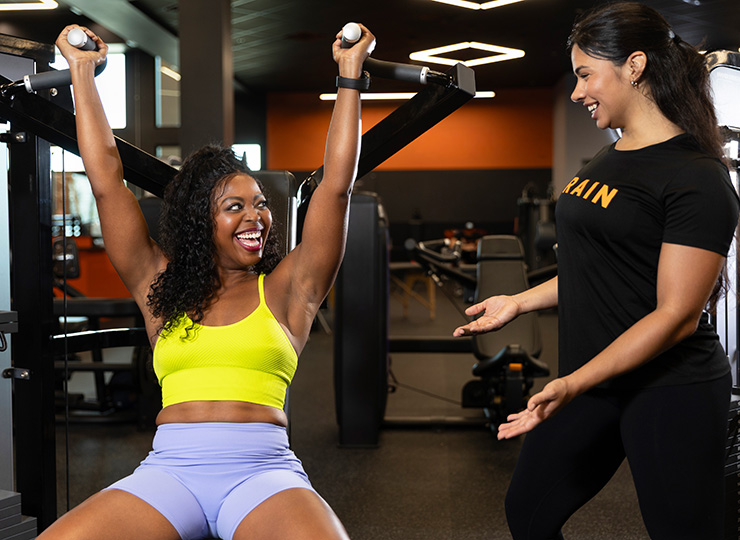
At Crunch Fitness, personal training brings together the main things that affect cost, but keeps the process simple. All trainers meet the same standards for coaching, certifications, and programming. This means you get consistent support and guidance, no matter which location you choose.
Crunch also makes personal training more accessible. With nationwide locations, flexible scheduling, and extended gym hours, it’s easier to fit training sessions into your lifestyle. Session length, frequency, and training format can be adjusted based on your goals, whether you prefer one-on-one coaching, semi-private personal training, or group training.
Another important factor is what’s included. At Crunch, personal training usually gives you access to the whole gym, including cardio and weight equipment, training areas, and group classes. So, your session cost often covers more than just time with a trainer—it supports your entire fitness journey.
Crunch offers flexible training packages that scale with your needs, rather than locking you into rigid long-term commitments. For a deeper look at what to expect from a qualified trainer, check out:
For exact pricing, it’s best to connect with your local Crunch Fitness.
When comparing personal trainer prices, it’s important to look beyond just the hourly rate. The structure and support behind the training matter just as much as the cost of a personal trainer.
Crunch Fitness gives you a more complete system. Your investment usually includes full gym access, lots of equipment, and group classes that go along with your training. There’s built-in flexibility, too. If your trainer isn’t available, another trainer can help you stay on track. Standard coaching and programming help keep things consistent and lower your risk of hitting a plateau or getting injured.
Private or independent trainers often charge more per hour, especially in private studios. Some offer very personalized training, but they might have less equipment, less flexible schedules, and fewer ways to keep you accountable. Because you depend on one person, missed sessions or schedule changes can slow your progress.
Here’s a simple comparison:
| Factor | Crunch Fitness | Private Trainers |
| Average Cost | Moderate, package-based | Higher hourly rates |
| Equipment Access | Full gym + classes | Limited or private studio |
| Scheduling | Flexible + backup support | Limited availability |
| Consistency | Standardized coaching | Varies by trainer |
| Overall Value | High (all-in-one) | Depends on individual |

When you pay for personal training, you’re getting more than just a session. You’re investing in structure, guidance, and support that happens before, during, and between workouts. The real value is whether your training is part of a system that helps you keep making progress, not just a one-time service.
At Crunch Fitness, personal training is built around long-term development. That typically includes an initial assessment to understand your starting point, followed by a structured training program that evolves with your fitness goals. You’ll get ongoing program adjustments, progress tracking, and accountability, along with coaching that teaches you how to train independently between sessions.
This approach helps you build confidence, improve your technique, and stay consistent, even on days you’re not with your trainer. On the other hand, some private trainers focus just on the session itself. That can help during the workout, but clients might struggle between sessions if there’s not much guidance, few updates, or little follow-up.
It can also be hard to stay on track if your trainer isn’t available or your schedule changes. Crunch Fitness focuses on consistency, progress, and helping you become more independent, so you get more lasting value from your training.
Learn more: Seeing Results: Personal Trainer’s Impact
Having the right equipment can really improve your results, and that’s a big advantage at Crunch Fitness. With lots of cardio machines, free weights, training areas, and group classes, you have everything you need for a complete workout program.
Crunch also gives you tools to track your fitness and options for recovery, which help you keep making progress outside of workouts. This means you can move forward safely, adjust your exercises as needed, and train more consistently over time.
Private trainers, especially those in their own studios, often have less equipment. Sometimes, you might need a separate gym membership or pay extra to use certain equipment or spaces. This can mean more improvised workouts and fewer ways to progress.
When you have access to all kinds of equipment, you don’t have to guess what to do; you get more variety, and you see better results. It also keeps things interesting and helps you stay motivated. Overall, Crunch gives you a more complete and flexible place to train than most private setups.
Discover: What Equipment Does Crunch Fitness Provide?
One of the best things about personal training at Crunch Fitness is that it helps you become more independent, not just rely on your trainer.
Here are seven practical tips to help you get the most from your investment:
Learn more: Do Personal Trainers Create Customized Workout Plans?
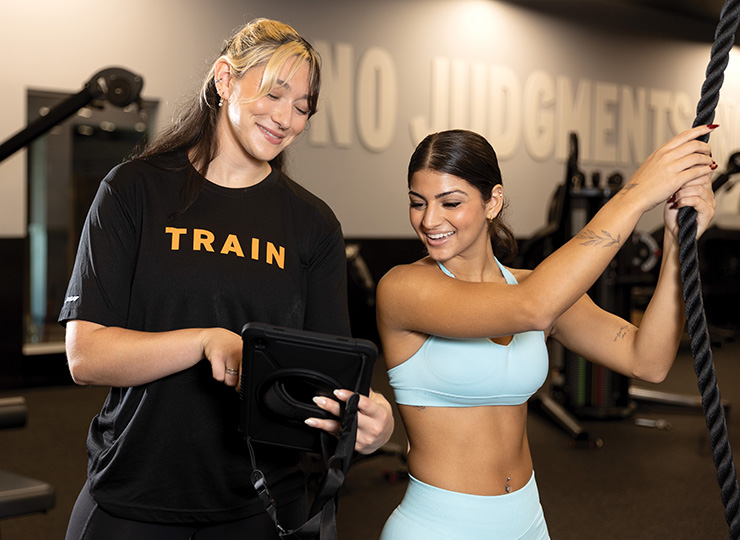
Yes, especially if you get the right kind of value. A personal trainer can help you see results faster by giving you a clear plan, helping you with technique and form, and lowering your risk of injury.
At Crunch Fitness, personal training is set up to help you make steady progress and use your time well. You don’t have to guess what to do, you avoid common mistakes, and you build a system that supports your goals over time.
Instead of starting from scratch every few weeks, you follow a plan that changes as you improve. This leads to better consistency, stronger results, and a fitness routine you can stick with.
Learn more: Is A Personal Trainer Really Worth It?
Personal training works best when there’s a strong system behind it, and that’s where Crunch Fitness stands out. Rather than using a one-size-fits-all plan or depending on just one trainer, Crunch gives you a structured, supportive place to train smarter and stay consistent.
Certified personal trainers are at the heart of Crunch, bringing clear coaching standards, proven programs, and a focus on helping every client reach their goals safely and efficiently. This consistency is important. Your training, progress tracking, and experience don’t depend on just one person; they’re backed by a whole system focused on results and accountability.
Crunch also gives you the flexibility that fits your real life. If your schedule changes, your goals shift, or you want to train more or less often, there are options for you. This lowers the risk of setbacks compared to relying only on a private trainer, where missed sessions or scheduling problems can slow your progress.
Crunch offers lots of group fitness classes that add motivation and structure. The supportive, no-judgment community helps you stay consistent. It’s not just about one session; it’s about building a routine that really works for you.
Learn more: 4 Benefits of Personal Training Programs
Crunch promotes a culture of positivity, inclusivity, and fun with no judgments by providing an environment for all individuals, regardless of their health and fitness goals. Find a Crunch gym near you to try our free trial membership, or join Crunch now. We’re here for you – at the gym or at home. Access the best live & on-demand workouts anytime, anywhere with Crunch+. Ready to get sweaty? Try hundreds of workouts for free! Start your free trial now!
Most personal trainers charge between $50 and $100 or more per session. The price depends on their experience, your location, and where you train. Private studios and experienced trainers usually cost more, while gyms and group sessions are often cheaper.
Yes, personal training is usually cheaper if you have a gym membership. Many gyms offer packages that include equipment, facilities, and training, which can lower the cost per session compared to hiring a trainer on your own.
Monthly personal training usually costs between $300 and $1,000 or more. The price depends on how often you train and what services are included. Packages with more sessions each week often lower the cost per session.
Yes, a personal trainer can be worth the money if they help you stay on track, improve your form, and reach your goals faster. The real value is in the coaching, structured plans, and support you get, not just the workouts.
Most people work with a personal trainer one to three times a week. How often you train depends on your goals, budget, and if you also work out on your own.
Yes, personal training can save you money in the long run if it helps you avoid injuries, stay motivated, and get results faster. A good training plan helps you use your time better and avoid guessing what to do.
Yes, you can pay less for personal training by joining group or semi-private sessions, or by buying packages of sessions. Online coaching and training can also help you save money.
Most beginners do well with at least 8 to 12 sessions to get started. Continuing with more sessions can help you keep improving, perform better, and stay motivated.
Choose a gym that has good equipment, flexible hours, certified trainers, and a friendly atmosphere. Group classes and spaces for different types of training can also make your workouts better.
Most well-known gyms require their personal trainers to have nationally recognized certifications. These show that trainers know how to create safe and effective workout plans.
A personal trainer makes a fitness plan just for you, helps you with your workouts, and teaches you good form and habits. They also keep you on track, check your progress, and support you as you work toward your goals.
You can find a personal trainer at local gyms, online, or by asking for recommendations. Choose someone with the right certifications, experience, and a coaching style that fits your goals.