









How to Recover From Intense Workouts | Crunch Fitness
August 24, 2026
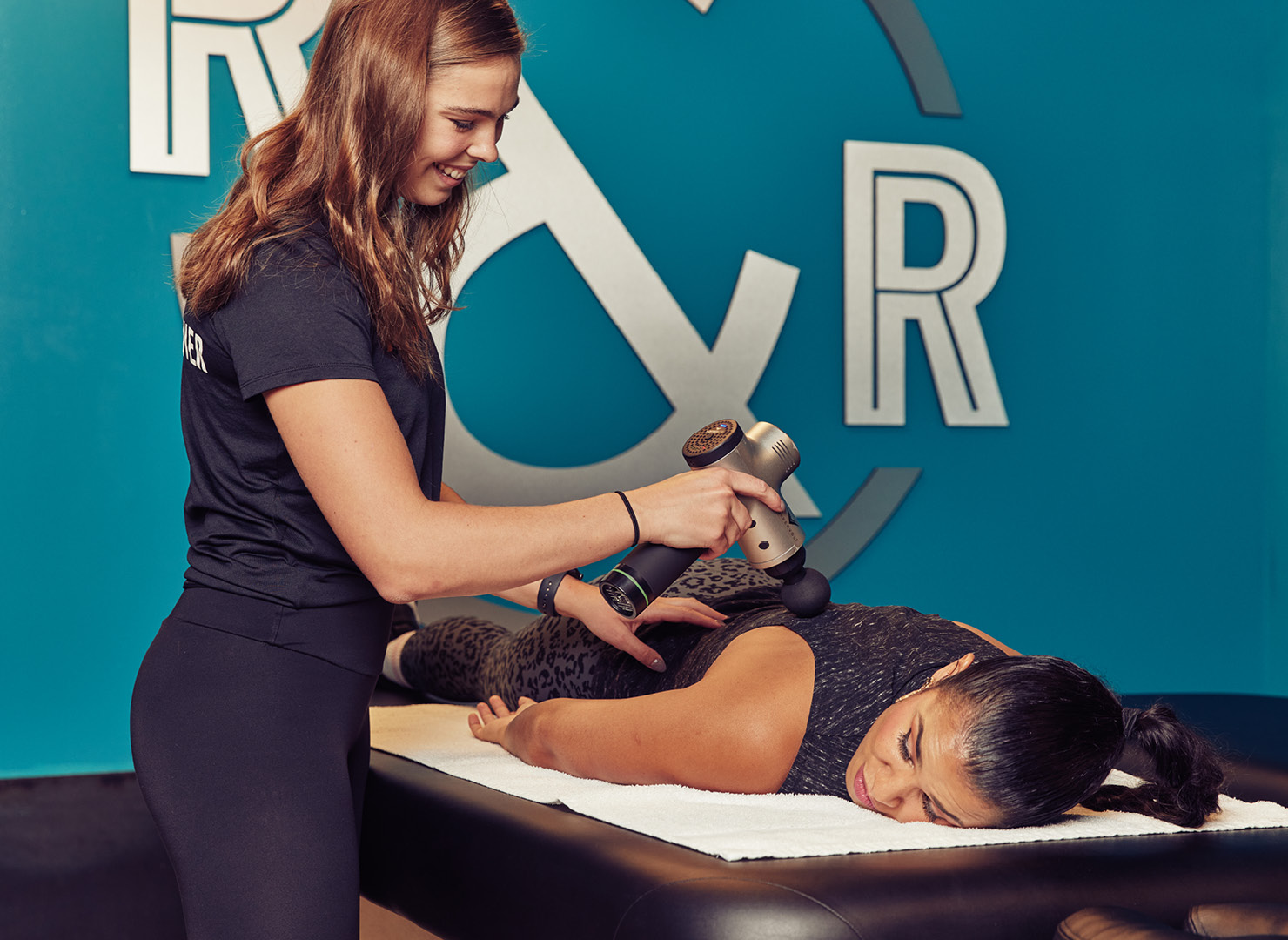
Have you ever finished a workout feeling unstoppable, only to wake up the next morning and wonder if your legs have given up? We’ve all experienced it. Walking downstairs feels like a challenge, sitting down takes extra effort, and every move reminds you of your last workout.
Soreness isn’t the main sign of a great workout. Real progress happens during recovery. When you challenge your body, you create a chance to get stronger and more resilient, but only if you help your muscles repair and adapt. That’s why learning to recover from tough workouts is just as important as picking the right exercises.
You don’t need a complicated recovery routine or pricey gadgets to feel and perform better. Simple habits can make a big difference in how you feel after each workout.
This guide will explain the science of post-workout recovery, how the recovery window works, and compare popular recovery methods. You’ll also find easy ways to reduce soreness and boost performance. We’ll point out common recovery mistakes and show how Crunch Fitness helps members recover better so they can keep making progress, one workout at a time.
Let’s dive in!
Completing your last rep might feel like the end, but your body sees it differently. Many fitness gains actually start during post-workout recovery. Tough workouts put small amounts of stress on your muscles and use up your energy stores.
During recovery, your body repairs muscle, refuels, and adapts so you’re stronger and better prepared for your next workout.
A review in Frontiers in Physiology found that recovery methods like active recovery, massage, compression, and cold-water immersion can help reduce muscle soreness and fatigue after hard exercise, though results vary by method and person.
Good workout recovery means building smart habits like eating well, staying hydrated, doing active recovery, mobility exercises, getting enough sleep, and knowing when to take a recovery day. Cold therapy, heat therapy, and working on flexibility can also help your muscles recover when used the right way.
“Compression garments, massage, immersion, contrast water therapy, and cryotherapy induced a small to large decrease in the magnitude of delayed onset muscle soreness”, reported the study investigated by Olivier Dupuy, Wafa Douzi, Dimitri Theurot and colleagues.
That’s why there isn’t one perfect way to recover. It’s about finding what works best for you.
Think of it like baking a cake: the workout mixes the ingredients, but recovery is the baking time. If you skip recovery, the results won’t be as good.
If you’ve always put recovery last, now is a great time to change that. Take a look at Crunch’s The Importance of Recovery for more details on why recovery matters, or check out Relax & Recover® at Crunch to see what recovery options are available at participating clubs.
If your recovery routine ends when you grab your water bottle and head home, you might be missing one of the most valuable parts of your workout.
The recovery window is the time after exercise when your body shifts from performance to repair. During this period, your muscles start rebuilding, glycogen stores are refilled, and your body begins adapting to your workout.
Many people focus on the first 30 to 60 minutes after a workout, but recovery is an ongoing process that continues for a day or two.
One of the easiest ways to help your recovery is by using the right type of stretching at the right time. Dynamic and static stretching are often grouped together, but they have very different purposes.
The best post-workout recovery routine brings together healthy habits that support muscle repair, restore energy, and get your body ready for the next challenge.
Here are five key recovery habits that belong in every fitness routine.
Food is the building material your body needs after every workout. Exercise stresses your muscles, and recovery starts by replacing the nutrients you’ve used.
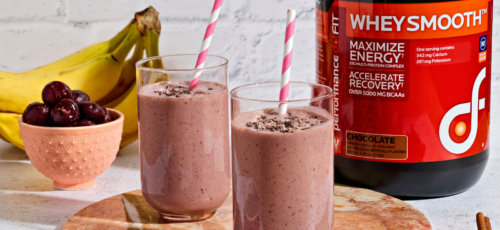
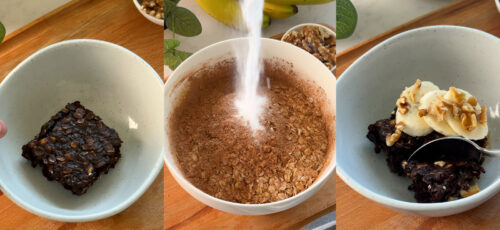
Try to eat a meal or snack with 20–40 grams of protein and quality carbohydrates within a few hours after training. Protein gives your body the amino acids needed for muscle repair, while carbohydrates help restore glycogen, your main fuel during exercise. Good options are grilled chicken with rice, Greek yogurt and fruit, eggs on whole-grain toast, or a protein smoothie with banana.
According to the International Society of Sports Nutrition (ISSN), consuming adequate protein throughout the day and after exercise supports muscle protein synthesis, recovery, and training adaptations.
“Recommendations regarding the optimal protein intake per serving for athletes to maximize MPS are mixed and are dependent upon age and recent resistance exercise stimuli. General recommendations are 0.25 g of a high-quality protein per kg of body weight, or an absolute dose of 20–40 g,” reported the study.
Looking for more nutrition ideas? Check out Crunch’s healthy recipes and nutrition articles on The Hub to help fuel your workouts and recovery.

If your shirt is soaked after a workout, your body needs more than just a sip of water.
Sweating makes you lose fluids and electrolytes like sodium and potassium, which are important for muscle function and hydration. Replacing these helps reduce fatigue and supports muscle recovery after exercise.
For most workouts, drinking water throughout the day is enough. After long or very intense sessions, try drinks or foods that also replace electrolytes. Fruits, vegetables, dairy products, and electrolyte drinks can all help restore balance.
A simple tip: start rehydrating as soon as your workout ends instead of waiting until you feel thirsty.
Learn more: How to Stay Hydrated: The Right Amount of Water to Maximizing Your Workout
If recovery had a superpower, it would be sleep. While you’re asleep, your body does much of the work needed to repair muscle tissue and adapt to training.
That’s why people who get 7–9 hours of good sleep often see better performance, improved recovery, and more consistent training.
A relaxing bedtime routine, less screen time before bed, and a cool, dark bedroom can all help you sleep better. If you often exercise in the evening, give yourself time to wind down before going to bed.
Want to keep making progress? Don’t underestimate the power of a good night’s sleep.
Sometimes, the best way to recover is to keep moving.
A recovery day doesn’t mean you have to spend the whole day on the couch. Low-intensity activities boost circulation, helping deliver oxygen and nutrients to your muscles without adding extra stress.
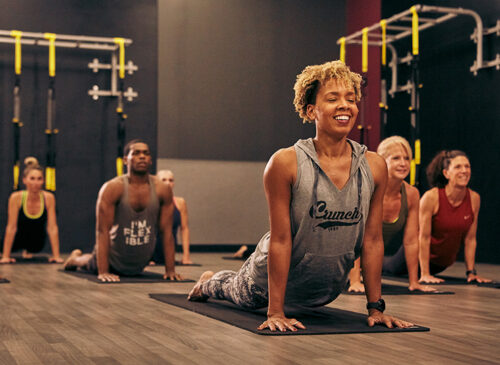
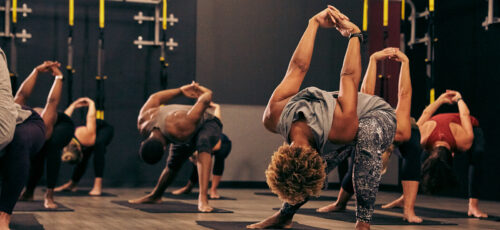
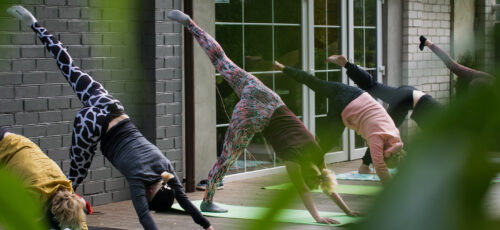
Walking, cycling, yoga, and gentle mobility exercises are great ways to do active recovery. The goal is to help your body recover and reduce stiffness.
If you want guided movement, try Crunch’s group fitness classes. Yoga and mobility classes can help improve flexibility and support recovery.
Discover: What’s the Difference Between Muscle Mobility vs Flexibility and Why The Body Cares?
Heat and cold are part of many athletes’ recovery routines, and for good reason.
Cold therapy, like cold-water immersion, may help reduce muscle soreness after hard training. Heat therapy, such as sauna sessions, can boost circulation, relaxation, and flexibility. Some people also like to alternate between hot and cold, which is called contrast therapy.
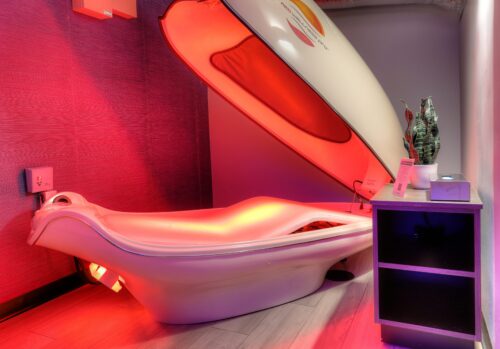
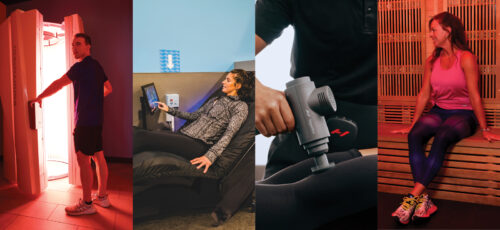
If your local Crunch club has recovery amenities, check out services like HydroMassage®, saunas, and other recovery tools at participating locations. Recovery is about making choices that help your body perform its best, both in and out of the gym.
Every recovery day can look different. The best active recovery method depends on how you feel, the workout you did, and what you enjoy. The main goal is to keep moving without adding extra stress.
| Activity | Main Benefit | Best For | Suggested Time |
| Walking | Increases circulation and reduces muscle stiffness | Recovery after strength training or lower-body workouts | 20–40 minutes |
| Easy Cycling | Encourages blood flow with minimal joint impact | Recovery after running or leg-focused workouts | 20–45 minutes |
| Yoga | Promotes flexibility, mobility, and relaxation | Full-body recovery, stress relief, and improving range of motion | 20–45 minutes |
| Mobility & Flexibility Exercises | Improves joint mobility and eases muscle tightness | Anyone feeling stiff or spending long hours sitting | 10–20 minutes |
The best recovery activity is the one you’ll stick with. Whether you take a brisk walk, ride a bike, join a yoga class, or spend a few minutes on mobility exercises, regular movement helps reduce stiffness, supports muscle recovery, and gets your body ready for your next workout.
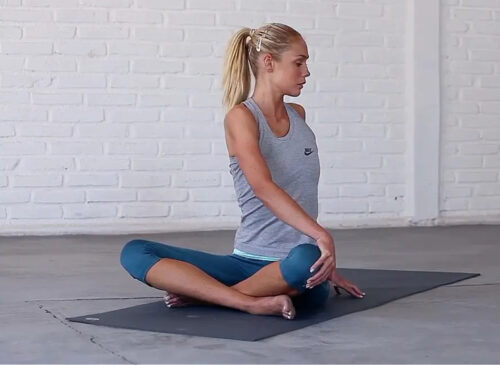
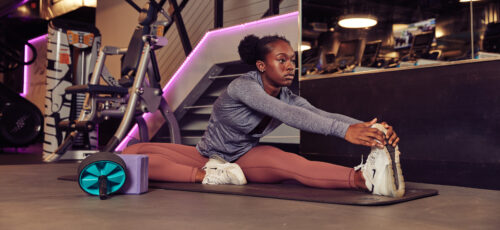
Mobility is like maintenance for your body. Stretching lengthens muscles, but mobility helps your joints move well through their full range. The result is better movement, more flexibility, less stiffness, and a body that’s ready for your next workout.
This easy 10-minute routine targets common tight spots like the spine, hips, and ankles. Move slowly, breathe deeply, and never force a position that hurts.
This gentle movement improves spinal mobility, encourages better posture, and helps release tension throughout your back.
How To Do It
Improving upper-back mobility can help your posture and make pressing, pulling, and overhead movements feel smoother.
How To Do It
Good hip mobility helps with squats, lunges, walking, and climbing stairs.
How To Do It
This position improves mobility in your hips, knees, ankles, and lower back, and helps you move better.
How To Do It
Do this routine two or three times a week, or whenever your body feels stiff. Just a few minutes of regular mobility work can improve how you move, support recovery, and help you stay active for years.
One of the best recovery tips is to listen to your body. Some soreness after a tough workout is normal, but ongoing fatigue or discomfort may mean your recovery routine needs more attention.
Check for these common signs that your recovery after exercise may not be complete:
If you notice these signs, don’t push through. Instead, focus on active recovery, stay hydrated, eat well, get enough sleep, and try gentle recovery techniques like stretching, cold therapy, or heat therapy before your next hard session.
Recovery doesn’t have to be complicated, but some common mistakes can slow your progress and leave you feeling tired instead of energized. Avoid these habits to get more from every workout:
You don’t need to change your whole lifestyle to recover well. A few simple habits, done regularly, can make a big difference in how you feel and perform. Keep these recovery tips in mind after every workout:
Every workout is an investment in your health, but recovery is what makes that investment worthwhile. Take care of your body, and it will be ready for whatever comes next.
At Crunch Fitness, you’ll find the resources and support to make recovery a regular part of your fitness routine, not just something you think about when you’re sore.
One of the best ways to improve recovery is to follow a workout plan that matches your fitness level and goals.
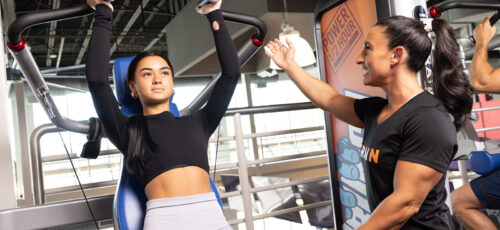
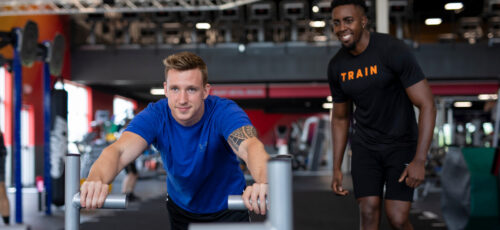
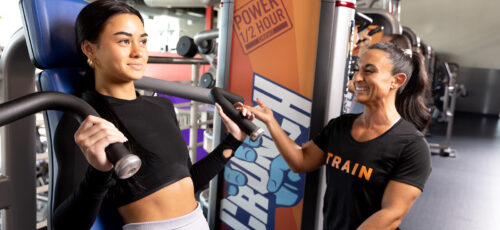
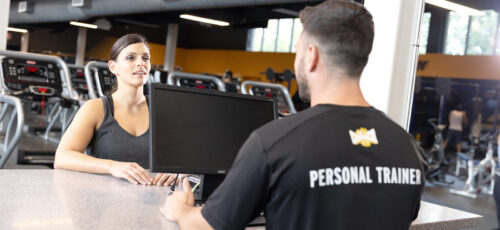
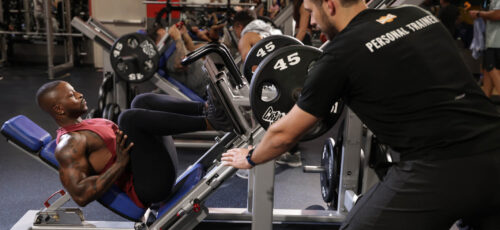
Crunch’s certified personal trainers can assess your movement patterns, recommend appropriate recovery days, and create balanced programs that combine training with adequate rest.
By avoiding common mistakes like doing too much too soon, you’ll recover better and make steady progress.
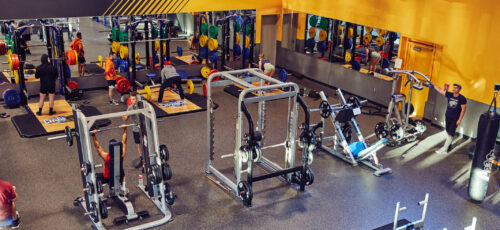
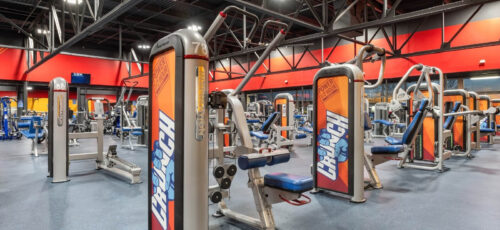
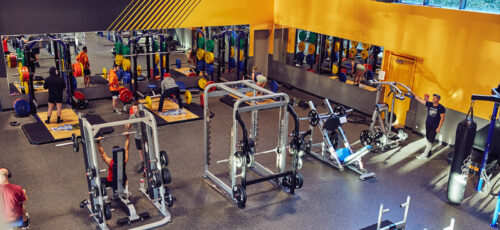
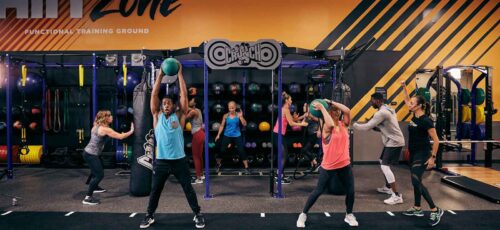
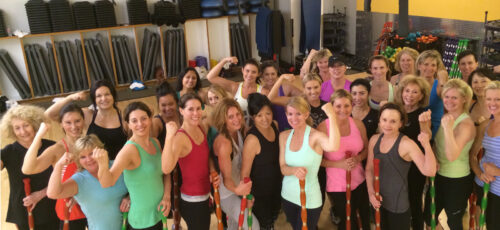
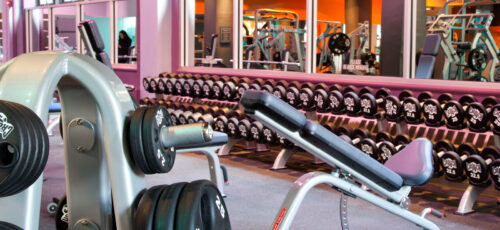
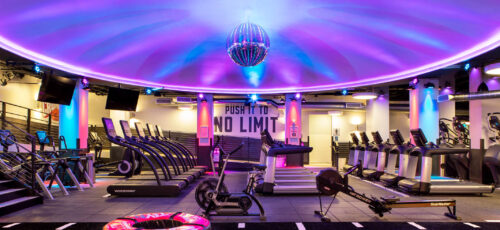
Recovery starts with moving well. Crunch clubs have spacious functional training areas where you can cool down, do mobility exercises, stretch, and practice active recovery after your workout.
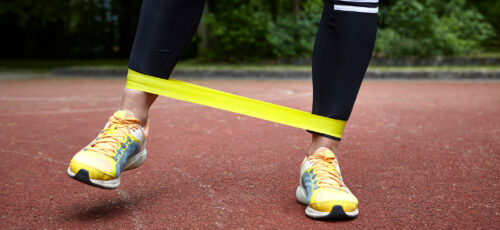
Whether you use foam rollers, resistance bands, or just take a few extra minutes to stretch, having the right space makes it easier to build healthy recovery habits into every visit.
If your club offers Relax & Recover® amenities, you may also have access to services like HydroMassage®, dry saunas, and other recovery-focused options designed to help you relax after intense training.
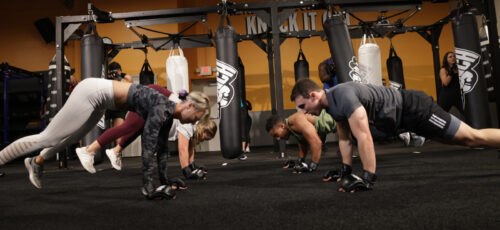
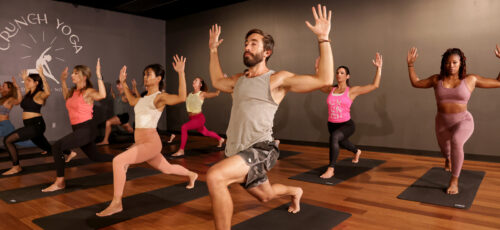
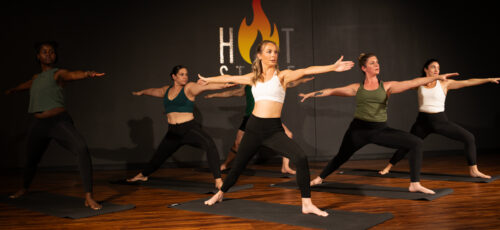
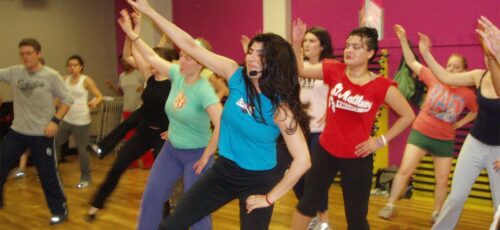
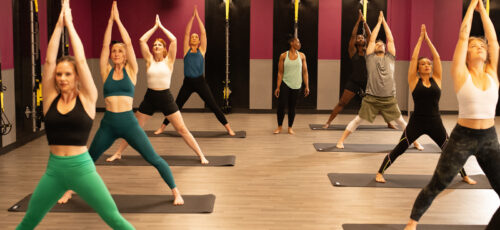
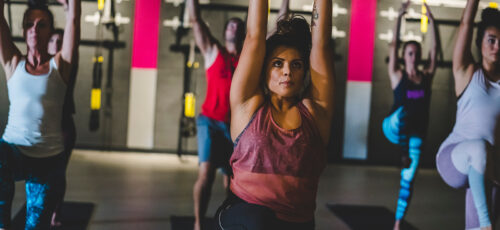
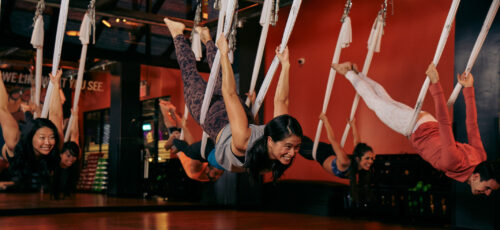
Recovery doesn’t mean you have to sit still. Low-impact group fitness classes can help reduce stiffness, improve flexibility, and keep you moving without the demands of another tough workout.
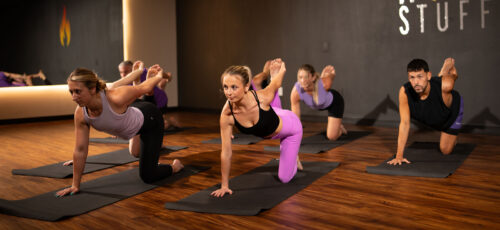
Yoga, mobility classes, and other instructor sessions are a fun way to support recovery while improving balance, coordination, and movement quality.
No matter your fitness level, Crunch helps you train hard, recover smarter, and come back ready for your next workout.
Crunch promotes a culture of positivity, inclusivity, and fun with no judgments by providing an environment for all individuals regardless of their health and fitness goals. Find a Crunch gym near you to try our free trial membership, or join Crunch now. We’re here for you – at the gym or at home. Access the best live & on-demand workouts anytime, anywhere with Crunch+. Ready to get sweaty? Try hundreds of workouts for free! Start your free trial now!
Most people bounce back from a tough workout in about one to three days. How quickly you recover depends on how hard you exercised, your fitness level, and your recovery habits. Getting enough sleep, eating well, staying hydrated, and moving gently can all help you recover faster.
Try to eat a meal or snack with both protein and carbs within one to two hours after your workout. This helps your muscles recover and gives your body back the energy it used during exercise.
You don’t need to take an ice bath after every workout. Cold therapy can help with soreness after really tough sessions, but for most workouts, eating well, drinking enough water, and getting rest are enough for recovery.
One isn’t better than the other because they do different things. Foam rolling can help loosen tight muscles, while stretching helps you stay flexible and move better. Both are useful for recovery after a workout.
Good recovery foods have both protein and carbs. Some examples are Greek yogurt with fruit, grilled chicken and rice, eggs on whole-grain toast, or a protein smoothie with a banana. These foods help your muscles heal and give you back energy after exercise.
If you’re only a little sore, gentle activities like walking, cycling, or yoga are usually safe and can help you feel less stiff. But if your muscles are very sore or your joints hurt, it’s best to rest or take a recovery day before working out hard again.
You’re probably recovered when your muscles aren’t very sore anymore, your energy feels normal, and your regular workout doesn’t feel extra hard. Sleeping well, performing as usual, and feeling ready to exercise again are also good signs.
Yes, walking is one of the easiest and most helpful ways to recover after a workout. It gets your blood flowing, helps with muscle stiffness, and supports recovery without putting extra strain on your body.