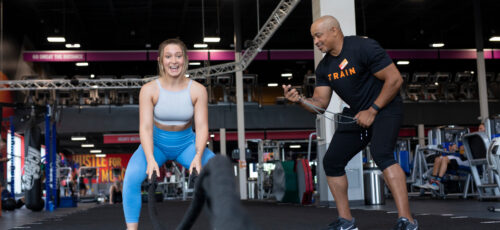










What Are the Pros & Cons of Having a Personal Trainer?
September 5, 2026
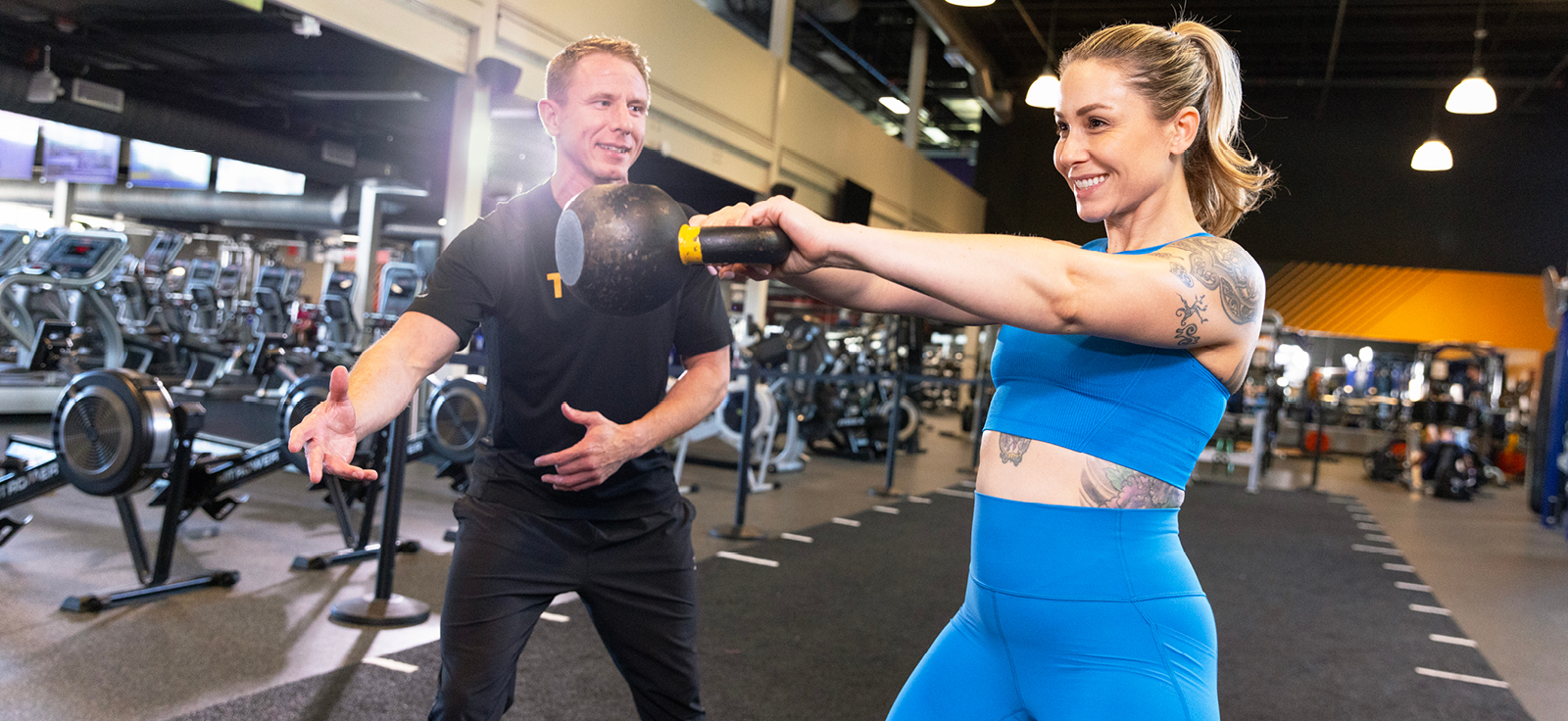
What if the difference between an abandoned workout plan and real progress is having someone in your corner? A personal trainer can turn “I’ll figure it out” into a strategy, showing you how to squat with confidence, adjust a machine without wrestling it, and keep going when the couch starts making a persuasive counteroffer.
It’s important to look at the pros and cons of having a personal trainer. Personalized workouts, expert guidance, clear goals, and accountability can help make your training safer, more effective, and more consistent.
For example, beginners can learn the right way to exercise before adding weight, while experienced gymgoers might use progress tracking to break through a plateau.
This guide will explain what personal trainers do, highlight their main benefits and possible downsides, and help you find the right trainer for you.
We’ll also cover Crunch personal training, including the CrunchONE Kickoff, personalized workout plans, expert support, training spaces, and group classes that help make your routine effective, varied, and enjoyable.
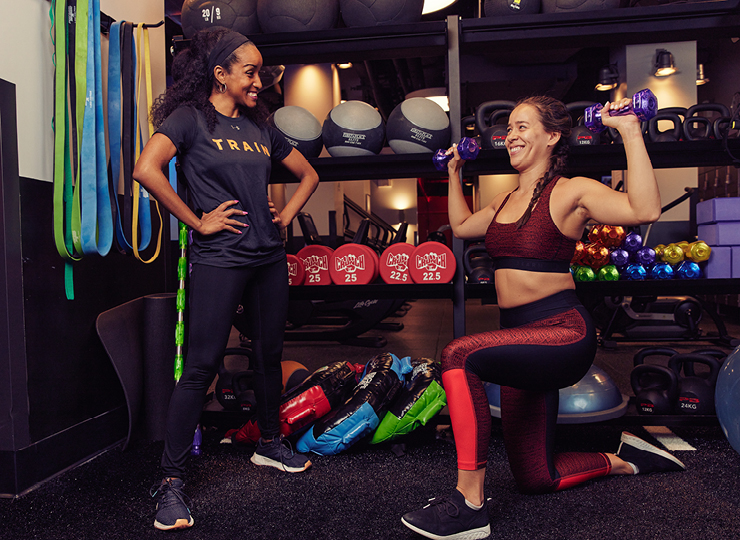
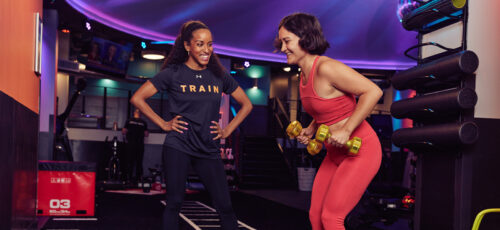
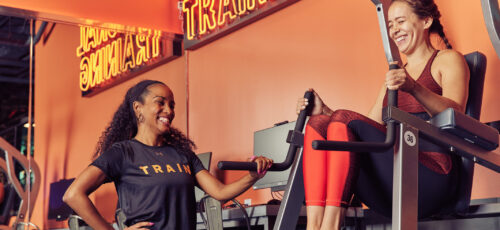
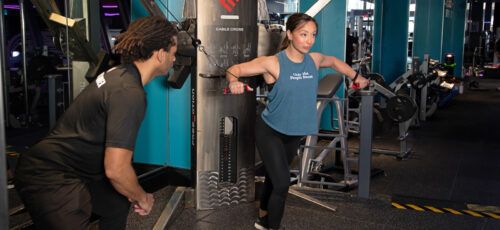
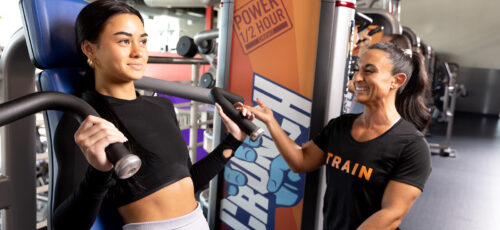
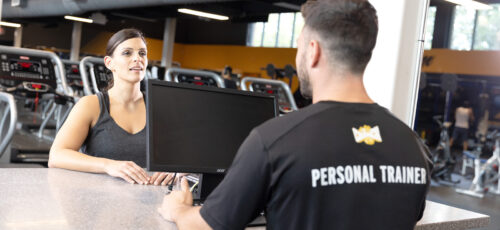
Personal trainers do much more than just count reps or cheer you on. They start by getting to know your fitness background, abilities, goals, preferences, schedule, and any limitations. Then, they create a workout plan just for you, teach you the right way to exercise, show you how to use equipment, and update your plan as you get stronger and more confident.
If you want to “get toned” but don’t know where to begin, a trainer can help. They can also show you different options if an exercise feels uncomfortable, so you don’t get stuck or frustrated.
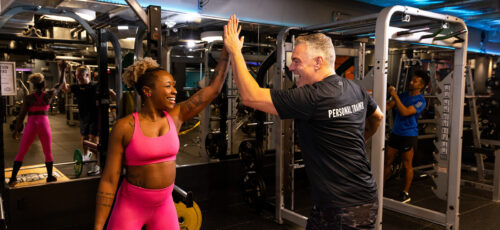
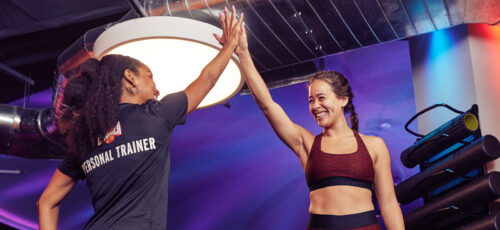
Trainers also help keep you motivated and accountable. They track your progress, celebrate your achievements, notice when you hit a plateau, and adjust your workouts as needed. Good trainers also explain why each exercise is part of your routine, so you understand what you’re doing instead of just following instructions.
Their role is to guide exercise, not diagnose injuries or medical conditions. When health concerns fall outside their qualifications, they should recommend speaking with a healthcare professional.
A personal trainer can’t do the work for you, but they can help make each workout count. With expert advice, accountability, and a plan that changes as you improve, you’ll move from random workouts to steady, safe progress.
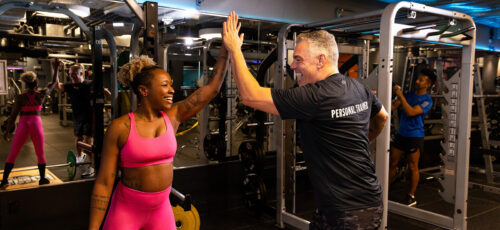
Staying consistent is often the hardest part of any fitness plan. A trainer helps by setting regular sessions, checking in with you, and noticing if you start skipping workouts.
In a study, 71% of people attended at least three-quarters of their supervised exercise sessions. Even when you don’t feel motivated, having someone to hold you accountable can help you stick with your plan.
Explore more reasons: Is A Personal Trainer Really Worth It?
Before creating your workout plan, a trainer needs to know your starting point. They may assess your exercise history, health, movement, strength, mobility, goals, and any limitations.
The ACSM Certified Personal Trainer framework places consultation and assessment before individualized program design. These starting points help trainers choose suitable exercises and establish benchmarks, not diagnose medical conditions.
Checking a coach’s personal training qualifications also helps ensure the assessment stays within their professional scope.
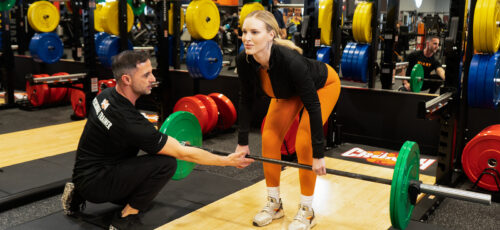
A good trainer doesn’t just tell you to “do ten more.” They explain what you’re doing, why it’s important, and how to use the right form. They also teach you about equipment, breathing, workout intensity, recovery, and how to make progress.
U.S. Department of Health and Human Services guidelines suggest 150–300 minutes of moderate aerobic activity each week, plus muscle-strengthening exercises on two days. A trainer can help you turn these recommendations into a practical weekly plan.
Crunch’s beginner strength-training guide offers useful fundamentals between sessions.
Wanting to “get fit” is a good goal, but it’s not very specific. Trainers help you set clear targets, like doing two strength sessions a week, adding five pounds to a lift, or walking a mile without stopping.
A systematic review and meta-analysis found that using several goal-setting strategies helped people be more active. Trainers break your goals into small, manageable steps and adjust your plan when challenges come up.
Crunch’s SMART fitness goals guide can help make objectives specific, measurable, achievable, relevant, and time-bound.
Exercise and nutrition work best together. A 2024 network meta-analysis of 78 randomized trials with 5,219 adults found that combining exercise with diet changes affected weight, body fat, and lean mass.
A qualified trainer may reinforce general habits involving hydration, balanced meals, protein, and workout fuel. However, they should not diagnose nutritional conditions or prescribe therapeutic diets unless separately credentialed.
Crunch’s balanced-diet guide offers practical tips to make healthy eating easier.
Generic workout routines don’t consider your experience, schedule, preferences, limitations, or personal goals. A personalized workout plan does.
ACSM’s 2026 review synthesized 137 systematic reviews involving more than 30,000 participants and emphasized individualizing programs for goals, enjoyment, safety, and adherence.
A trainer can adjust your exercises, weights, sets, frequency, and variety, whether you’re just learning squats or training for your tenth 10K. Trainers create workout plans that change as you progress, so they stay useful.
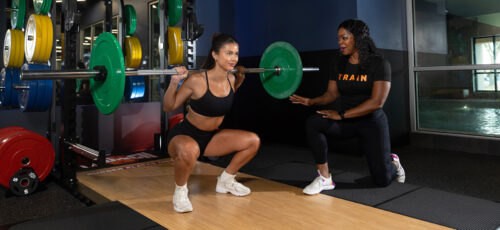
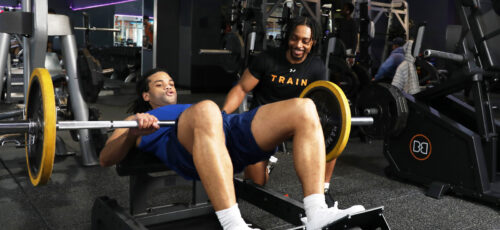
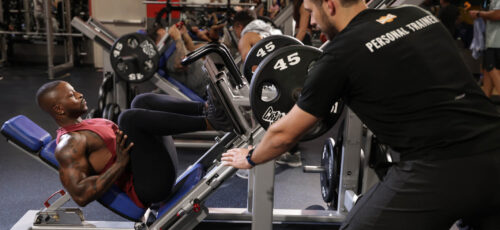
No trainer can promise you’ll never get injured, but choosing the right exercises, progressing slowly, having a spotter, and getting feedback on your technique can help reduce your risk.
A British Journal of Sports Medicine meta-analysis found that strength training reduced sports injuries to less than one-third, although it examined structured prevention programs rather than personal training itself.
Trainers use similar strategies by adjusting your workout and helping you with proper form. If you’re recovering from an injury, they can support your rehab but should not replace medical care. Crunch has more information about personal training during injury recovery.
Progress can show up in many ways, like lifting more weight, having better endurance, moving more easily, showing up more often, or using better technique; not just by losing weight. Trainers track your progress, compare it to your goals, and change your plan if you stop improving.
A meta-analysis of 138 studies with 19,951 participants found that tracking your progress helps you reach your goals, especially when you write down or share your results. This way, you have proof of your improvement.
Your ideal review rhythm will vary, so use Crunch’s guide: How Often Should You Schedule Personal Training Sessions?, when planning check-ins and coaching classes.
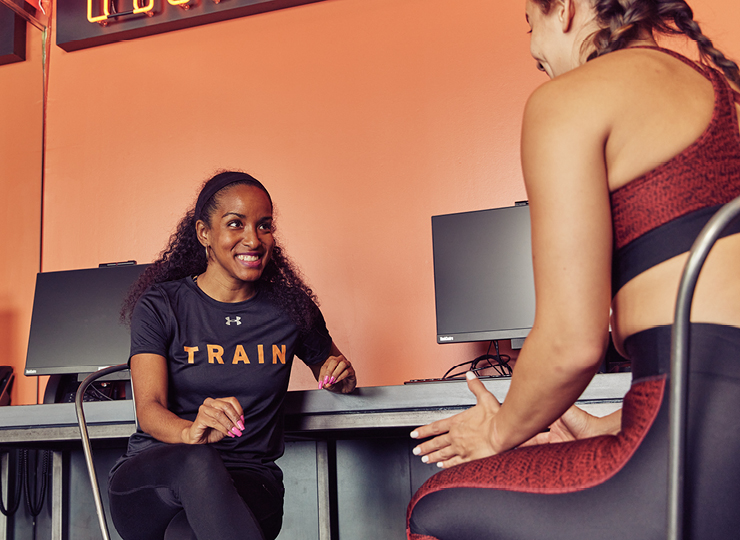
Personal training has many benefits, but it’s not a quick fix. Before you sign up, think about how coaching fits your schedule, budget, expectations, and personality.
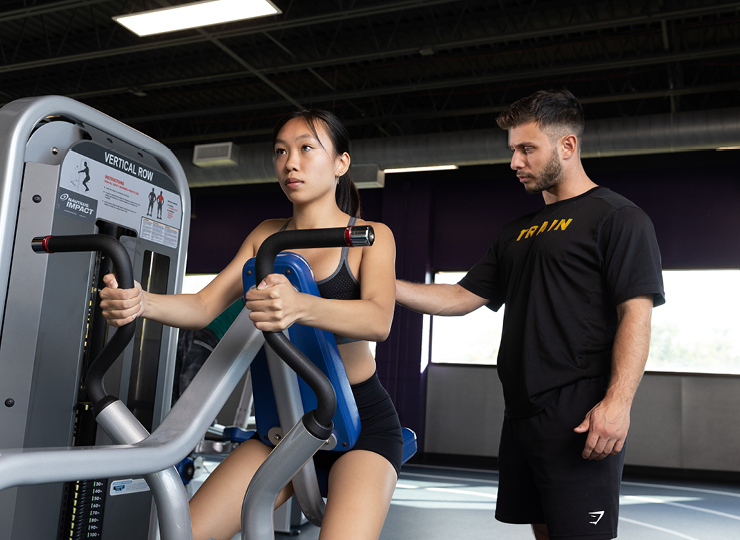
Having a regular appointment can help you stay on track, but it can also make a busy week harder to manage. Your favorite time slot might be taken, and things like travel, work, family, or cancellation rules can make it tough to stay consistent.
Research suggests approximately 50% of adults report not having enough time as a barrier to exercise. Before signing up, compare schedules and ask about cancellations, rescheduling, and shorter sessions.
Crunch’s guide explains how often to schedule personal training according to your goals and availability.
Personal training costs extra on top of your gym membership. Prices depend on where you live, how long sessions last, your trainer’s experience, how often you train, and the type of package. You don’t always need several hour-long sessions each week to benefit from coaching.
The American Council on Exercise notes that individual, small-group, and larger-group training provide different levels of attention at different price points. Ask exactly what the package includes and whether independent workouts can complement fewer coached sessions.
Discover more: How Much Does A Personal Trainer Cost?
Not every trainer brings the same education, experience, or specialty to the squat rack. A certification is an important starting point, but it should be current, recognized, and relevant to your needs.
The NCCA reports that it accredits more than 300 certification programs across fitness, healthcare, and other industries based on established standards. Ask about certification, CPR/AED training, continuing education, and experience with goals like strength, weight management, or beginner fitness.
Crunch offers a complete guide to the personal trainer qualifications and certifications worth checking.
A trainer might have great qualifications but still not be the right fit for you. Their coaching style, communication, personality, and how they motivate you all make a difference.
A six-month study with 202 people found that how you feel about your coach, how much you enjoy workouts, and your own motivation all affect your commitment and results. Try talking with a trainer or having an intro session, and don’t hesitate to switch if it doesn’t feel right.
Use Crunch’s tips for finding the right personal trainer before committing.
Finding the perfect personal trainer can be challenging and might take some time. However, it is worth it, as it will save you time, money, and many other uncomfortable situations. Start by identifying your personal fitness goals, from gaining strength to losing weight and burning calories; each trainer has the most experience in certain fitness areas, so you need to think about what you want to accomplish first.
Once you have decided on your fitness goals, start the research for your trainer. Look for a profile with enough qualifications and fitness experience to feel safe and secure that the person you will be working with is a professional in his fitness area. When you find a trainer that appeals to you, arrange an initial consultation so you can meet him in person. This is important, as this is when you find out how comfortable you feel with the trainer’s personality and way of working. Please ask questions regarding his working style and schedule and inquiries about his profile and certifications (If possible, look for references and testimonials from other gymgoers who previously worked with him to accomplish their fitness goals).
Crunch offers qualified trainers, personalized workout plans, and many ways to make fitness more enjoyable. Trainers start by focusing on your goals, abilities, and experience, rather than giving everyone the same routine.
Crunch requires personal trainers to hold NCCA-accredited certifications, helping ensure they have completed recognized education and testing. Trainers may also specialize in areas such as strength development, weight management, athletic performance, mobility, or beginner fitness.
For example, someone training for a race needs a different plan than someone new to free weights. Your trainer’s experience helps create the right plan for your goals.
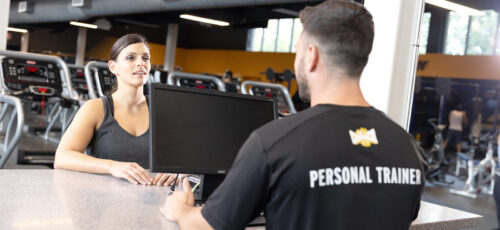
The CrunchONE Kickoff is a complimentary one-on-one session for members. You will meet with a certified trainer to discuss your exercise history, current fitness level, goals, limitations, and preferences.
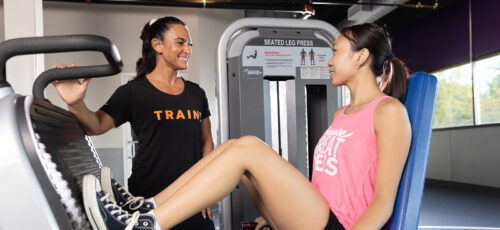
The trainer can also show you how to use equipment you haven’t tried before and give you a workout plan that fits your needs. If you want to build strength but aren’t sure how to use certain machines, the Kickoff session can help make things clearer.
Crunch trainers use assessment results to create a customized workout plan that can evolve as you progress. Exercises, resistance, volume, intensity, and training methods may be adjusted as your fitness improves or your goals change.
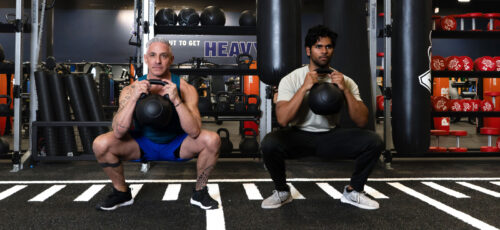
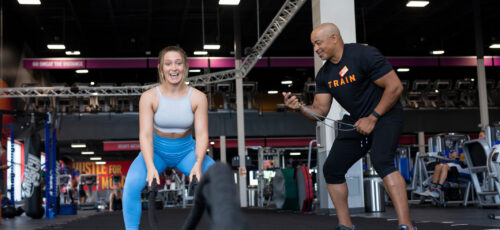
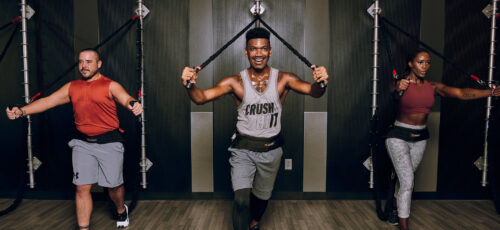
A beginner might start with machines and fundamental movement patterns, while an experienced member could incorporate kettlebells, TRX, battle ropes, or sport-specific exercises.
Prices for personal training at Crunch depend on the club, trainer, package, and how often you train, so there isn’t a single set rate. According to Crunch’s cost guide, sessions usually cost $50–$100 or more each.
Crunch also offers 30-minute sessions and monthly payment options at participating locations, making personalized guidance easier to fit into different schedules and budgets.
Crunch’s certified trainers create customized workout plans based on your goals and experience. Whether you’re aiming to lose weight, build strength, or improve overall fitness, they help you stay on track and progress safely.
Crunch offers a wide range of equipment, including free weights, machines, cardio, and functional training areas. This variety supports balanced workouts and keeps your routine effective as you improve.
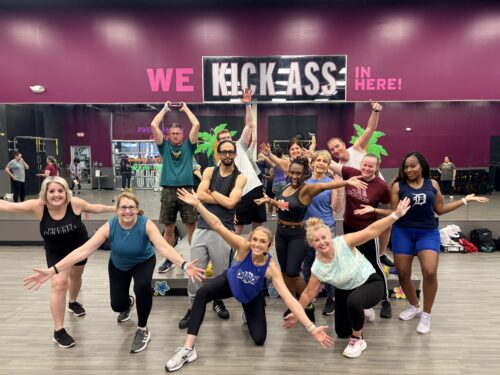
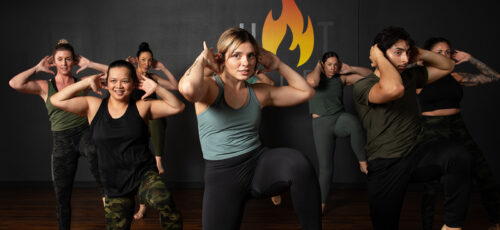
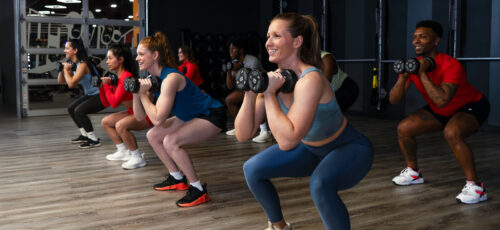
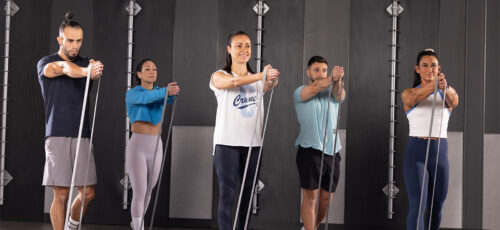
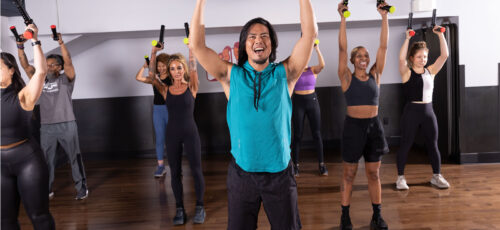
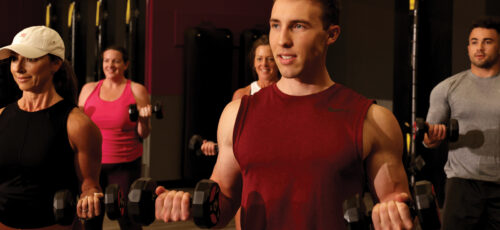
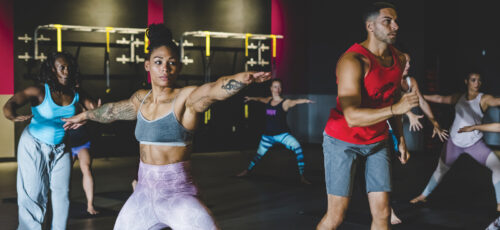
Crunch provides diverse group classes like Retro-Robics, Fight Camp, 12-Round TKO, Barbell Round, Resistance Training, and more. These sessions add structure, motivation, and community, making it easier to stay consistent and enjoy your workouts.
With expert trainers, flexible workout options, and a supportive atmosphere, Crunch helps you create fitness habits that last.
Crunch promotes a culture of positivity, inclusivity, and fun with no judgments by providing an environment for all individuals regardless of their health and fitness goals. Find a Crunch gym near you to try our free trial membership, or join Crunch now. We’re here for you – at the gym or at home. Access the best live & on-demand workouts anytime, anywhere with Crunch+. Ready to get sweaty? Try hundreds of workouts for free! Start your free trial now!
A personal trainer can be a good investment if you want a workout plan tailored to you, help with exercise form, and someone to keep you accountable. Whether it is worth it depends on your goals, budget, and whether the trainer matches your needs. You can read more to see if personal training is right for you.
Personal training and gym memberships offer different benefits. A gym membership gives you access to equipment and space to work out. Personal training adds one-on-one coaching, structure, and extra support.
Most people see a personal trainer one to three times a week. How often you should go depends on your goals, experience, schedule, budget, and how much you work out on your own.
A well-planned 30-minute personal training session can be effective. Your results depend more on how consistent you are, the exercises you choose, and your weekly routine than just the length of each session. You can compare different session lengths to see what works best for you.
Beginners can benefit from a trainer by learning the right way to do exercises, set up equipment, and follow a basic workout plan. Personal training can make starting strength training feel easier and less confusing.
A qualified personal trainer can help lower your risk of injury by teaching you good form, picking the right exercises, and making workouts harder step by step. However, trainers cannot prevent all injuries or take the place of medical care, especially if you have pain or a health condition. You can read more about personal training after an injury.
No, you do not have to join a gym to work with a personal trainer. Some trainers work online, outdoors, in private studios, or come to your home. Training at a gym gives you more equipment and workout options.
You can lose weight on your own by sticking to healthy eating and regular exercise, but a personal trainer can help maximize your results by making a plan, tracking your progress, and keeping you accountable. You can learn more about hiring a trainer for weight loss.
No, you do not need a personal trainer to start lifting weights. However, getting help from a trainer can be useful if you are new or not seeing progress. A trainer can show you proper technique, help you pick the right weights, and create a balanced workout plan. You can find out more about when to hire a trainer for lifting weights.