









Is A Personal Trainer Really Worth It?
March 6, 2026
Have you ever finished a workout and wondered if you used your time well? Maybe you go to the gym regularly, try new exercises, or follow routines you find online, but still feel unsure if you’re training correctly.
This uncertainty often makes people consider whether personal training could help.
Is it really worth paying for a personal trainer? Should you hire one, or can you reach your goals on your own? And what do personal trainers do besides count reps?
In this article, we’ll answer these questions clearly and honestly. You’ll find out about the real benefits of hiring a personal trainer, how trainers create custom workout plans, and whether personal training is right for goals like weight loss or better athletic performance.
We’ll also look at the pros and cons, so you can choose what works best for your fitness journey. If you’re interested in working with a certified coach at Crunch Fitness, this guide will help you make a confident decision.
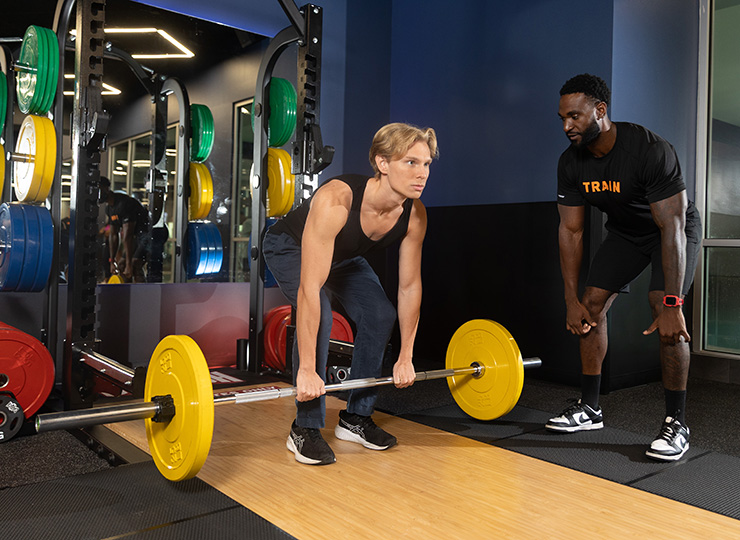
For many, the first concern is cost and whether a personal trainer is truly needed. The answer depends on your fitness goals, experience, motivation, and what happens when you try training by yourself.
If you’re confident and consistent with your workouts, you might do well on your own. But if you struggle to see results, stay motivated, or follow a plan, working with a certified trainer can make a big difference.
Many people turn to online fitness communities when deciding if personal training is worth it. Both beginners and experienced gym-goers often agree that having guidance really matters.
Personal training helps you build confidence, structure, and consistency. This is especially helpful when starting a new program, learning proper form, or trying things like weight training, cross-training, or sports conditioning.
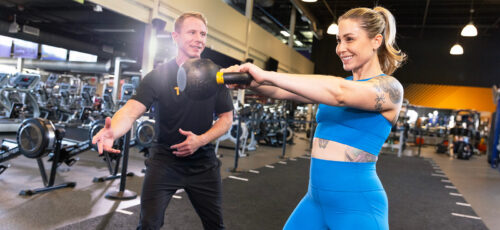
At Crunch Fitness, certified personal trainers work with members at all levels, from beginners to advanced gym-goers, using customized programming and tailored workouts that align with real-life schedules and goals.
This personalized approach takes away the guesswork, makes workouts more efficient, and lowers the risk of injury. If you struggle with motivation, the regular check-ins and support from a trainer can really help.
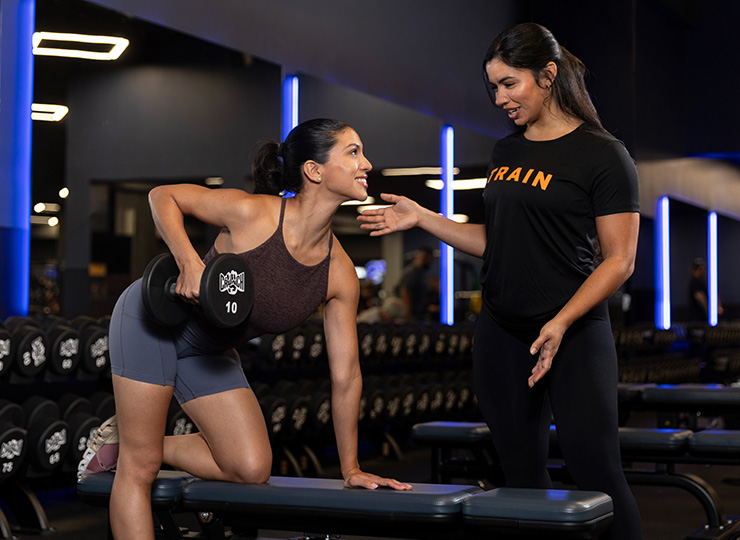
Personal training combines several benefits into one clear plan. Instead of guessing at the gym, you get expert guidance, a custom program, accountability, and regular updates as your needs change. For many, this structure leads to steady, long-term progress.
A personal trainer creates workouts based on your goals, experience, and any physical limits. Instead of a generic plan, you get a program made for your body, your schedule, and your current fitness level.
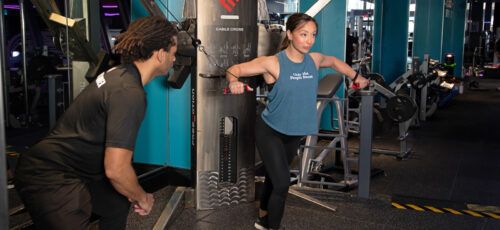
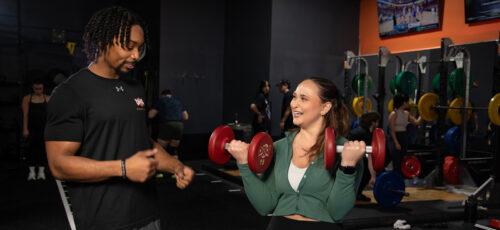
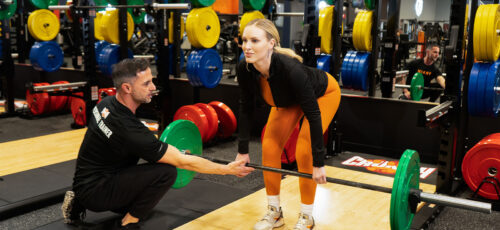
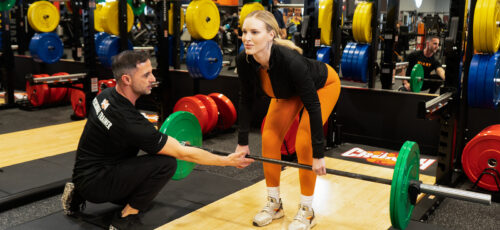
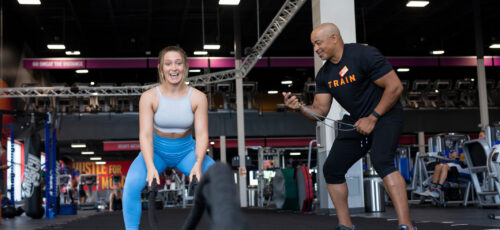
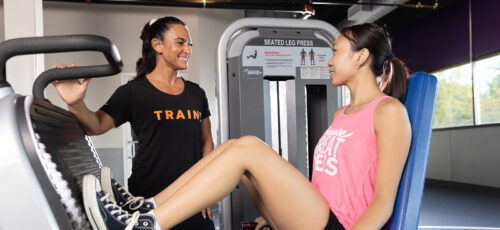
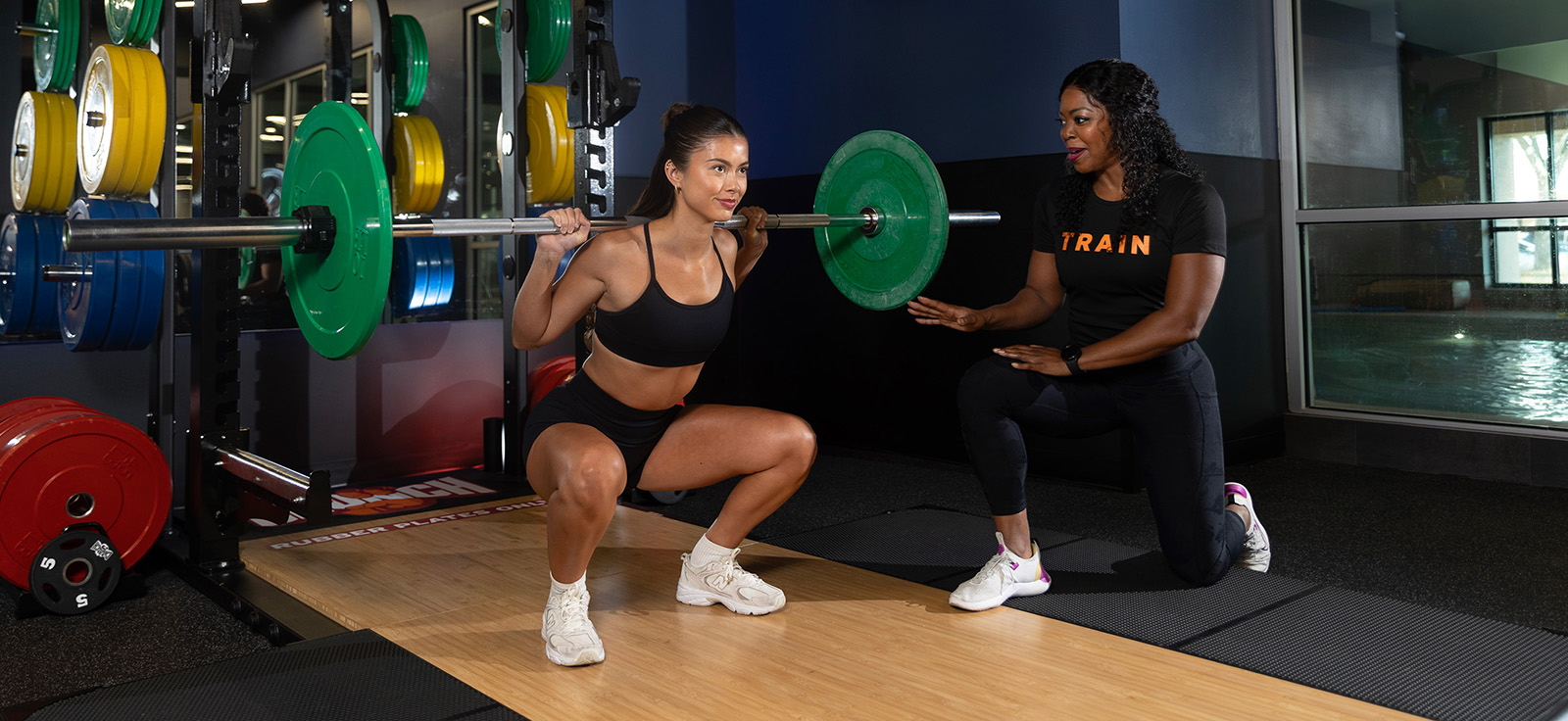
Trainers pay close attention to your form and technique during each exercise to lower injury risk and improve how you move. This is especially helpful for beginners, those coming back after a break, or anyone increasing their workout intensity.
It’s easier to stay consistent when you have someone to keep you accountable. Regular sessions, check-ins, and encouragement help you stay motivated, even on tough days. This support often helps you stick with your routine.
Personal trainers make sure your workouts use your time well. Each session has a clear plan, so you avoid wasted effort and focus on exercises that help you make real progress and build lasting habits.
As your body changes, your workouts should too. Personal trainers regularly update your program based on your progress, feedback, and recovery, helping you avoid plateaus and stay on track with your goals.
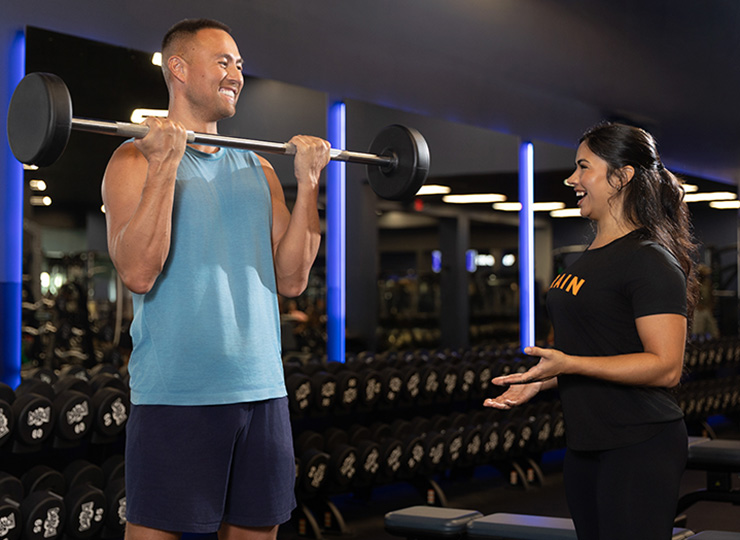
Personal trainers aren’t only for beginners. They’re also helpful for athletes and active people with specific performance goals. Whether you’re training for a marathon, working on speed and power, or improving movement, personal training gives you structure and expert support in every session.
A personal trainer can create training programs tailored to your sport. These plans target the right muscles, movement patterns, and energy systems to boost your performance and avoid exercises that don’t help.
How well you move affects your athletic performance. Trainers help you improve form, mobility, and cross-training to make your movements more efficient. Good mechanics help you move faster, stronger, and with less wasted energy.
Personal trainers use strength, weight, and resistance exercises to help with sports conditioning. These workouts build power, endurance, and stability, supporting long-term athletic growth instead of just quick results.
Balanced training is important for staying healthy. Personal trainers lower your risk of injury and overtraining by managing how much you train, your recovery, and exercise variety. This way, you’re challenged but not pushed too far.
Recovery is a key part of performance. Trainers include recovery strategies like mobility work, adjusting workout intensity, and building rest into the routine to support your heart health, manage stress, and keep you feeling good, especially during tough training periods.
As you get better, your training should change, too. Personal trainers update your workouts based on your feedback, progress, and results, helping you keep moving toward your goals and avoid plateaus.
At Crunch Fitness, certified trainers work with athletes of all levels, using safe and flexible methods to support performance training. To learn more, see how structured coaching can help you reach your athletic goals.
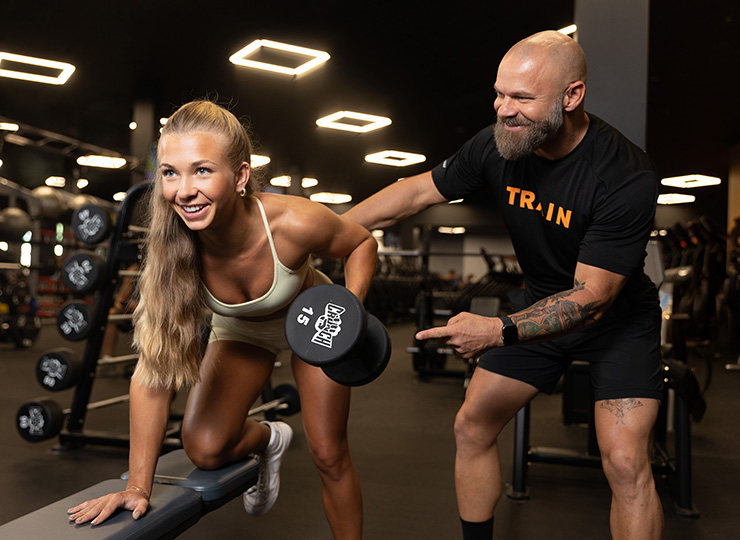
One of the biggest benefits of working with a personal trainer is getting custom workouts and nutrition advice.
Instead of a generic routine, personal training builds a workout plan around your body, lifestyle, and goals. This personal touch helps people stay consistent and see real results.
Personal trainers develop tailored programs by considering several factors:
This is different from the one-size-fits-all workouts you find in apps or videos. Generic routines don’t change as you progress or recover. A custom program grows with you, making it easier to stay on track and avoid plateaus.
Read more: YES, Personal Trainers Tailor Programs to Your Needs
Deciding if you should work with a personal trainer often means weighing the results. Personal training costs more time and money, but it can change how you train, how safely you improve, and how often you stick with it.
The comparison below highlights how training with a personal trainer differs from training on your own.
| Training Factor | With a Personal Trainer | Without a Personal Trainer |
| Speed of results | Structured training programs help you reach fitness goals faster by removing guesswork and focusing on what works. | Progress is often slower due to trial-and-error workouts and inconsistent programming. |
| Exercise safety | Trainers coach proper form and technique, helping reduce injury risk and overuse injuries. | Higher chance of poor movement patterns or imbalanced training. |
| Workout structure | Customized programming based on fitness level, limitations, and goals. | Generic workout plans from fitness apps or online videos. |
| Accountability & consistency | Scheduled training sessions create accountability and improve long-term consistency. | Requires strong self-motivation to stay on track. |
| Confidence using equipment | Hands-on guidance builds confidence with weights, machines, and new exercises. | Hesitation or uncertainty when using unfamiliar gym equipment. |
| Time efficiency | Workouts are designed to maximize results in limited time. | Time may be wasted on ineffective or redundant exercises. |
| Flexibility & commitment | Requires planning and committing to set training times. | Complete flexibility with no scheduling obligations. |
| Cost | Additional financial investment beyond gym memberships. | Lower cost or free training options. |
For many, the benefits of hiring a personal trainer are greater than the drawbacks, especially when safety, efficiency, and results are important. At Crunch Fitness, certified trainers work with all experience levels to create flexible, goal-focused programs that help you make real progress without judgment.
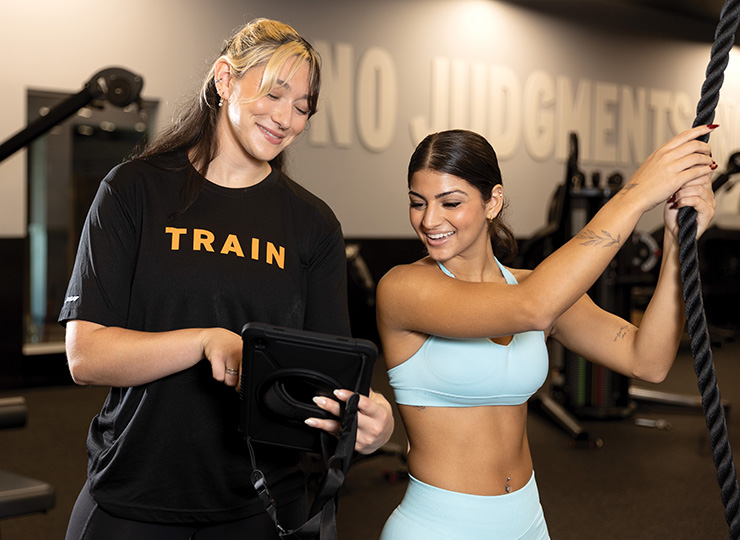
If your main goal is weight loss, working with a personal trainer can be one of the best ways to get lasting results, not just quick fixes.
Personal trainers help you build lasting habits, instead of relying on crash diets, extreme calorie cuts, or unrealistic workout plans that can cause burnout or weight gain later.
A personal trainer can support weight loss by helping you:
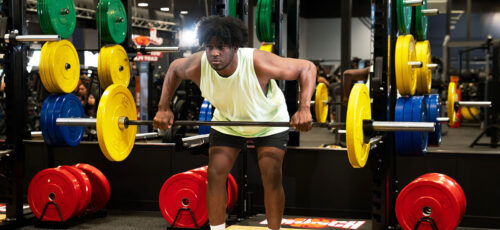
If you want to focus on strength training or lifting weights, a personal trainer can be very helpful. Good technique, balanced routines, and safe progress are important, since mistakes can cause injuries or long setbacks.
Personal trainers help by:
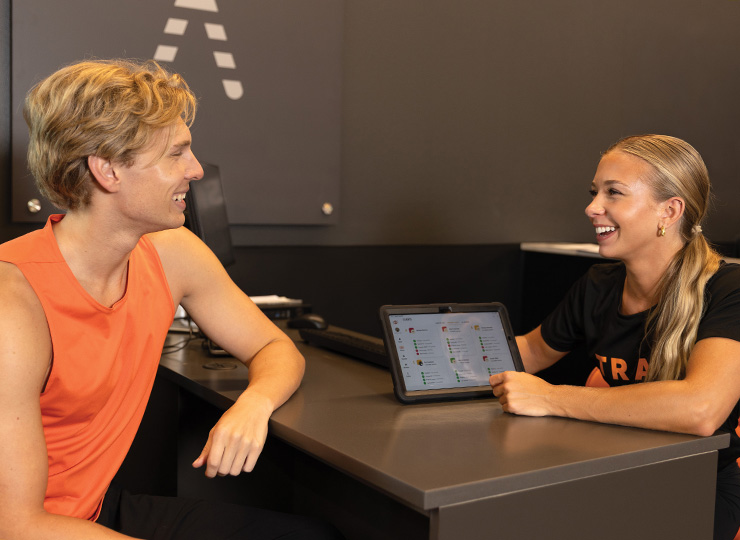
There isn’t one perfect schedule for personal training. The best plan depends on your goals, experience, budget, and time. Still, some general tips can help you choose.
Common training frequencies include:
Examples by goal or group:
Read more: How Often Should You Schedule Personal Training Sessions?
Personal training can help almost anyone, but some groups benefit the most. What they have in common is a need for clear guidance, structure, and steady support.
In the end, personal training isn’t about being good or bad at fitness. It’s about having expert support to help you stay focused, consistent, and make progress safely.
Both Crunch personal trainers and private trainers can be effective, and for some people, independent coaching is a great fit.
The difference is that Crunch Fitness offers professional training, access, flexibility, and support that private training often can’t match, since it usually depends on just one person or a limited setup.
Here’s how Crunch removes common limitations that come with private training:
Since Crunch’s personal trainers are part of a bigger team, members get more consistency, support, and different ways to succeed, instead of depending on just one coach or method.
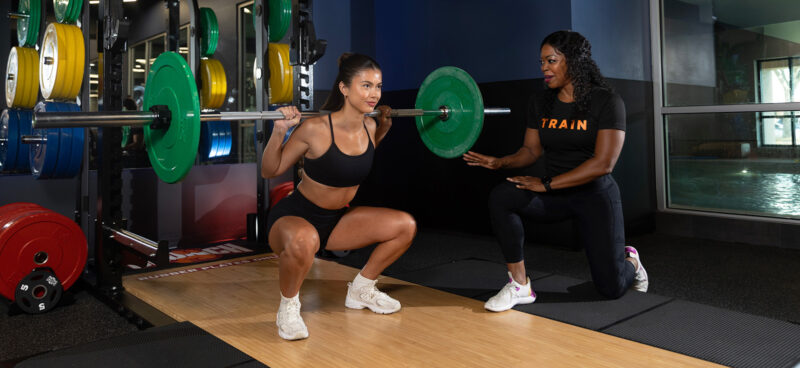
Crunch’s trainers help members turn their goals into steady progress without confusion, burnout, or wasted effort. They don’t just lead workouts—they guide you to make better training choices for long-term results.
Crunch’s personal trainers support success by offering:
This environment lets Crunch trainers act as knowledgeable guides, helping members train smarter, push harder when needed, and stay consistent to achieve real, lasting results.
Crunch promotes a culture of positivity, inclusivity, and fun with no judgments by providing an environment for all individuals, regardless of their health and fitness goals. Find a Crunch gym near you to try our free trial membership, or join Crunch now. We’re here for you – at the gym or at home. Access the best live & on-demand workouts anytime, anywhere with Crunch+. Ready to get sweaty? Try hundreds of workouts for free! Start your free trial now!
Personal trainer cost varies based on location, experience, and session format, so there isn’t one fixed price. Many gyms offer different options, from one-on-one training to small-group sessions, so you can choose what fits your goals and budget.
Most people benefit from seeing a personal trainer 1–3 times per week, depending on goals, experience, and schedule. Even once a week can improve accountability, form, and progress when combined with independent workouts.
Most personal training sessions last 30–60 minutes. Shorter sessions can be effective for focused strength or core work, while longer sessions allow time for warm-ups, lifting, and low-impact workouts like Pilates or Barre.
No, you don’t need a personal trainer to lose weight, but one can help make the process safer and more consistent. Trainers support weight loss through balanced strength and cardio workouts, habit-building, and accountability, not crash dieting.
You don’t need a trainer to build strength or muscle, but having one can speed up progress and reduce injury risk. Trainers help with proper form, progressive overload, and balanced routines that target all major muscle groups.
Yes, a personal trainer can help support injury recovery by adjusting exercises and focusing on proper movement patterns. They often work alongside medical guidance and may recommend low-impact options like Pilates or controlled strength work.
Yes, even fit and active people can benefit from a personal trainer for performance tuning, structure, and new challenges. Trainers can refine technique, prevent plateaus, and add variety through strength, core training, or low-impact workouts like Barre.