









Fitness Coaches vs. Personal Trainers – Which One Do I Need?
March 10, 2026
What’s The Difference Between Fitness Coaching and Personal Training?
Getting the right support is important when you want to improve your health and fitness. Fitness coaches and personal trainers both help people reach their goals, but they do it in different ways.
A fitness coach usually focuses on motivation, healthy habits, and helping you make lasting changes. A personal trainer, on the other hand, builds structured workout plans, teaches proper form, and leads training sessions based on exercise science.
In this article, we’ll break down the main differences between fitness coaching and personal training. You’ll learn how each one can help with goals like strength, weight loss, and overall health. We’ll also cover certifications, training styles, and how each role supports you both in and out of the gym.
At Crunch Fitness, personal trainers use a mix of science-based workouts and coaching support. They help members with nutrition, recovery, and motivation so everyone can make progress safely and effectively.
Read on to find out which choice matches your goals, lifestyle, and workout routine best.
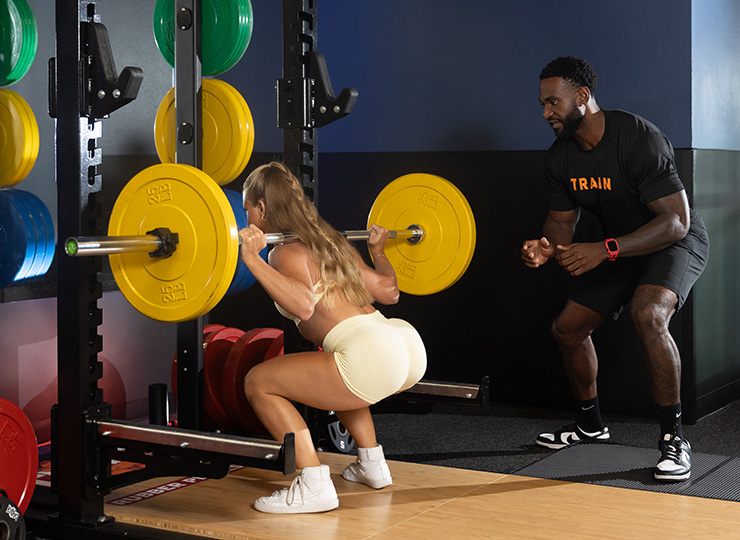
Fitness coaches and personal trainers might seem similar at first, but what they do each day is actually a bit different.
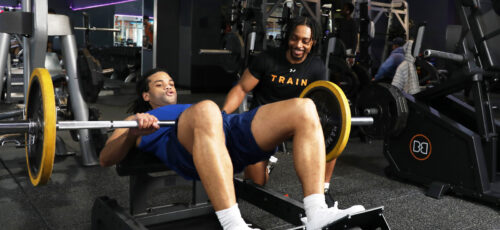
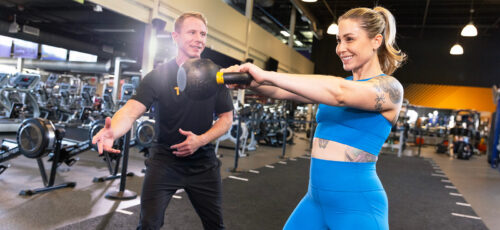
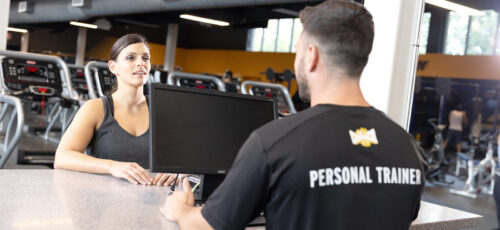
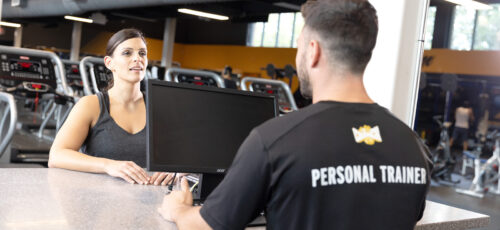
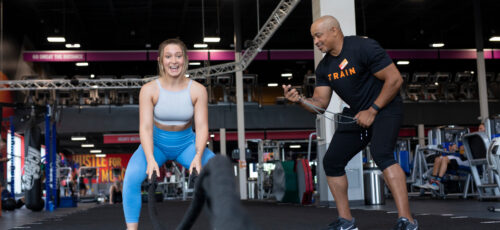
A personal trainer is your go-to expert at the gym. They create your workout plan, teach you how to squat safely, help you fix your kettlebell swings, and lead you through focused training sessions.
Personal trainers use exercise science and knowledge of how the body moves to help you build strength, improve your body shape, and learn the right way to exercise.
A fitness coach looks at the bigger picture. Besides workouts, they talk with you about your daily habits, sleep, stress, and why it might be hard to stick with nutrition changes.
Fitness coaches help you set goals you can reach, build your confidence, and keep you on track. For example, they might help you fit exercise into a busy week or change habits so you can stick with your routine.
Many top articles explain it like this: personal trainers help you reach fitness goals with exercise plans, while fitness coaches go further by helping you understand your reasons for training, track your progress, and stay motivated over time.
Definitions can change depending on certifications like NASM, ISSA, or NSCA, but the main difference is clear: trainers focus on workouts, while coaches focus on workouts and your overall lifestyle.
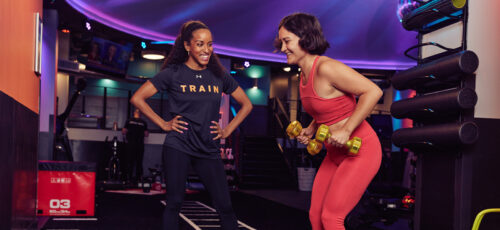
At Crunch Fitness, personal trainers don’t fit neatly into just one box. Crunch’s trainers design effective workout programs and provide hands-on guidance during training sessions, but they also offer coaching-style support.
This could mean helping you learn more about nutrition, change your recovery habits, or make a wellness plan for life outside the gym. So, even though they’re called Personal Trainers, they also act like Fitness Coaches, supporting your health in real life, not just during workouts.
| Scenario | Personal Trainer | Fitness Coach |
| In the gym | Teaches form, programs workouts | Supports workouts |
| Outside the gym | Limited focus | Lifestyle & habit guidance |
| Goal support | Performance-driven | Long-term, behavior-based |
| Big picture | Exercise-focused | Health and wellness-focused |
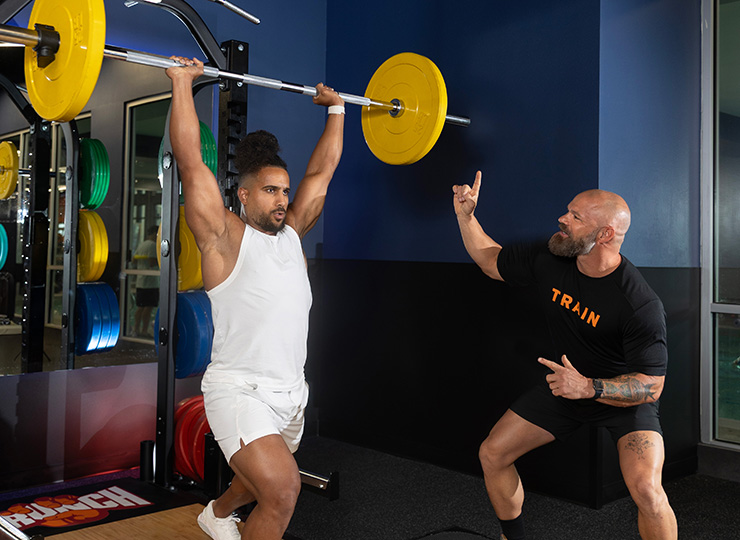
A personal trainer is a fitness professional who helps people improve their physical fitness through structured workouts, proper exercise technique, and guided training sessions.
Traditionally, personal trainers focus on physical fitness goals like building strength, improving movement, and training safely inside the gym.
Their role centers on exercise instruction, form correction, workout structure, and real-time coaching.
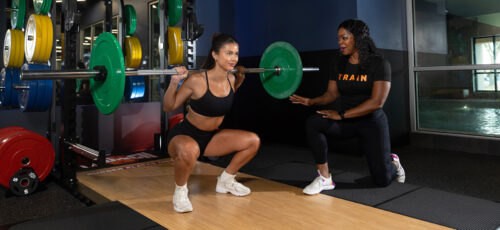
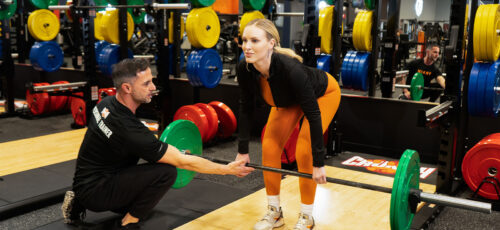
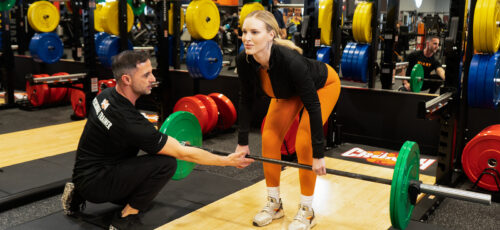
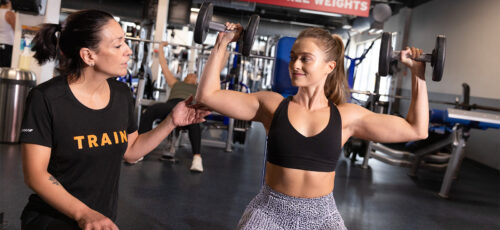
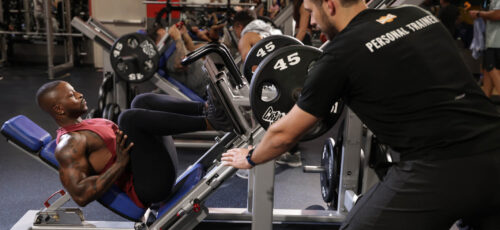
One of the biggest advantages of working with a personal trainer is hands-on, in-the-moment guidance. During training sessions, a trainer watches how you move and makes immediate adjustments to help you train more effectively and reduce injury risk.
This guidance is based on exercise science, things like anatomy, biomechanics, and safe progression, but it’s delivered in a practical way.
For example, a personal trainer might:
This real-time support makes workouts easier to understand and more effective, especially if you want to feel confident and clear about what to do at the gym.
Personal trainers help you turn your fitness goals into clear, doable steps and keep you on track. Whether you’re new to the gym or want to get better, a trainer gives you structure, support, and expert advice every session.
A personal trainer can help you with:
With a personal trainer, you walk into the gym knowing what to do, how long to do it, and why it matters. That’s the value they bring.
At Crunch Fitness, personal trainers do more than just teach workouts. They also help with healthy habits, nutrition, recovery, and making lasting changes.
You can also learn how trainers support goal setting by visiting “How to Set Fitness Goals With Your Personal Trainer”.
Even though they’re called “Personal Trainers,” Crunch’s trainers help with more than workouts. They support members in building healthy routines that last outside the gym too.
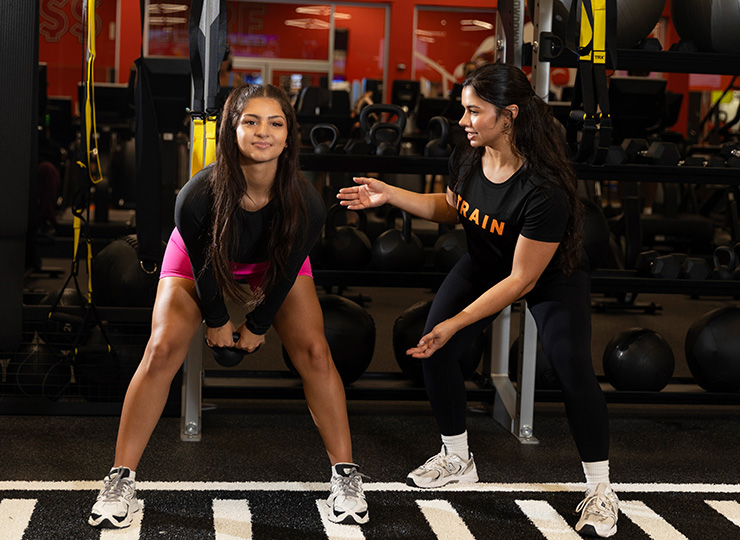
A fitness coach is someone who looks beyond just workouts and helps you with your overall health and wellness.
Exercise is still important, but fitness coaches mainly focus on helping you change habits, build a positive mindset, and stay consistent over time, not just what happens during a workout.
Instead of only asking, “What workout are we doing today?” a fitness coach is more likely to ask questions like:
Fitness coaches focus on keeping you accountable in more ways than just showing up at the gym. They take a whole-person approach, helping you build lasting habits with movement, recovery, stress, and nutrition.
Their goal is to help you create routines that support your health both in the gym and in your daily life.
For example, a fitness coach might:
This focus on overall wellness makes fitness coaching great for people who have trouble staying consistent, motivated, or keeping results over time.
Fitness coaches help your overall health by looking at what affects your results outside of workouts. They help you find clarity, build structure, and keep moving forward over time, not just push hard during workouts.
A fitness coach can help you with:
A fitness coach helps you connect your workouts, schedule, energy, and habits so everything works together for your health.
At Crunch Fitness, things get even better. Even though Crunch calls its experts Personal Trainers, they also offer many of the same services as Fitness Coaches.
Along with structured exercise programming and in-gym guidance, Crunch trainers support members with goal setting, motivation, recovery habits, and nutrition awareness.
Members can learn more about this holistic support by exploring how trainers offer guidance around nutrition in this article on personal trainers and nutrition advice.
Crunch’s Personal Trainers are great for anyone who wants more than just workout tips. They help members build healthy, lasting habits that go beyond the gym.
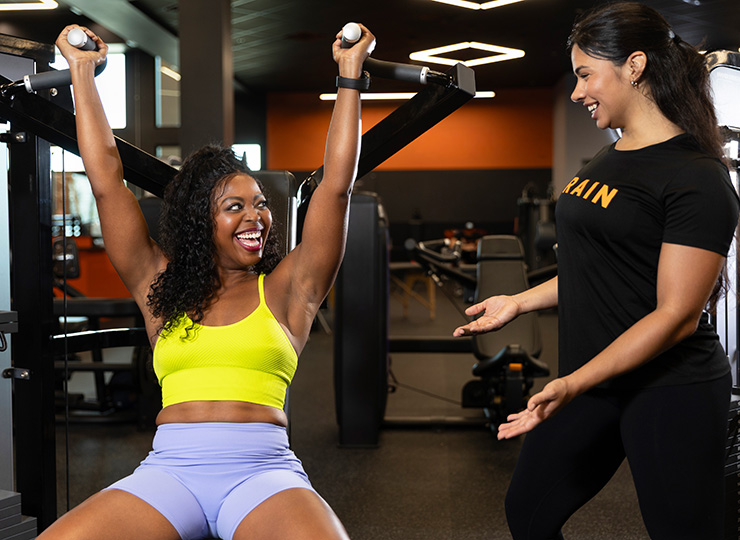
To choose the right fitness expert, start by thinking about your goals and the support you need. Some people want hands-on help during workouts, while others need coaching for motivation and healthy habits. Deciding if you want a coach, a trainer, or both can help you choose.
It’s important to check certifications and credentials first. Good certifications show that a fitness professional knows exercise science, safe movement, and how to train people well.
Look for credentials from recognized organizations like NASM, ISSA, NSCA, or the American Council on Exercise. These certifications signal education, accountability, and ongoing professional development. This guide on personal trainer qualifications and certifications breaks down what to look for.
Experience and special skills are important too. Depending on your goals, you might want someone who focuses on weight loss, strength training, helping beginners, or coaching for long-term changes.
Finding the right fit means matching your goals and preferences with how a coach or trainer works. This article on finding the perfect personal trainer can help you with that process.
At Crunch Fitness, certified experts make it easy to get the support you need for your fitness journey.
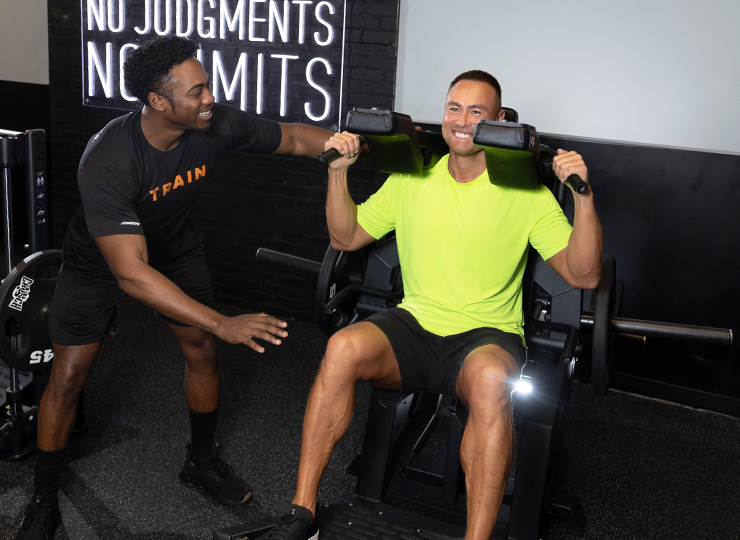
Not sure if you need a fitness coach or a personal trainer? No problem. At Crunch Fitness, you’ll get both. Our personal training programs combine structured workouts with the support you’d get from a fitness coach.
Crunch’s personal trainers help members work toward a wide range of fitness goals, from strength and weight loss to overall health and wellness, regardless of experience level.
They create custom workout plans and help establish healthy habits and nutrition, because your progress continues even after you leave the gym.
Crunch’s trainers do more than just count reps and leave. They offer many kinds of support to help members stay motivated and consistent, including:
Crunch’s personal trainers don’t just focus on today’s workout. They help you make a full plan for your health and wellness, adjusting it to fit your schedule, energy, and lifestyle so you can stay on track long term.
You can see how this works by learning how trainers create customized workout plans.
This approach helps everyone. Beginners learn what to do and gain confidence. If you feel stuck, you get structure and support to move forward.
Experienced athletes and regular gym-goers get a plan that fits their training history, recovery needs, and performance goals.
If you’re still deciding whether to get support or train on your own, this guide can help you decide if a personal trainer is right for you.
Crunch promotes a culture of positivity, inclusivity, and fun with no judgments by providing an environment for all individuals, regardless of their health and fitness goals. Find a Crunch gym near you to try our free trial membership, or join Crunch now. We’re here for you – at the gym or at home. Access the best live & on-demand workouts anytime, anywhere with Crunch+. Ready to get sweaty? Try hundreds of workouts for free! Start your free trial now!
A personal trainer focuses on workouts, exercise form, and strength training during gym sessions, while a fitness coach takes a broader approach that includes habits, motivation, and lifestyle support. Trainers are more session-based, while coaches often guide long-term behavior change beyond the gym.
You can lose weight with either, but the best choice depends on your needs. A personal trainer helps with strength, low-impact workouts, and efficient exercise plans, while a fitness coach supports consistency, nutrition habits, and long-term weight management.
Yes, many personal trainers also use coaching skills to support motivation, goal setting, and lifestyle habits. This blended approach helps clients improve strength, core stability, and overall fitness—not just follow a workout.
Look for proper certifications, experience, and someone who understands your goals, whether that’s strength training, Pilates-style core work, or low-impact workouts. Good communication and the ability to adjust programs matter just as much as credentials.
Fitness coaching can still be valuable if you exercise, especially if you feel stuck or inconsistent. A coach can help refine routines, improve performance, and align workouts like Barre or Pilates with long-term health goals.
Yes, Crunch Fitness personal trainers support overall fitness by combining structured workouts with guidance on nutrition awareness and lifestyle habits. They help members build strength, improve core fitness, and stay consistent both inside and outside the gym.